Posting has been a little light lately. A lot going on in real life. But I have managed to sneak in some TV time in the last few months. I read the book Project Hail Mary several years ago and thoroughly enjoyed it. I'm a bit late in watching the movie, but I caught it … Continue reading Dorohedoro and other TV notes
Category: Science Fiction
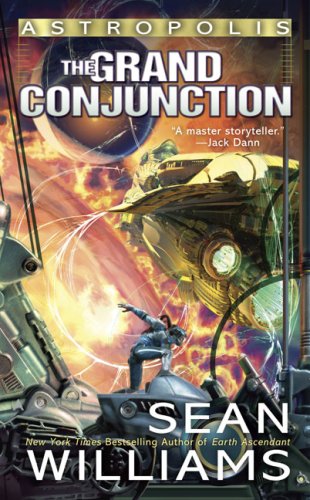
The Astropolis trilogy
In the last post I discussed my recent exploration of Reddit. The one conversation I've started so far was a request for posthuman space opera recommendations, particularly ones without FTL, stories that envision what the future might be like if we can't get around the speed of light limit. One hidden gem recommended was Sean … Continue reading The Astropolis trilogy
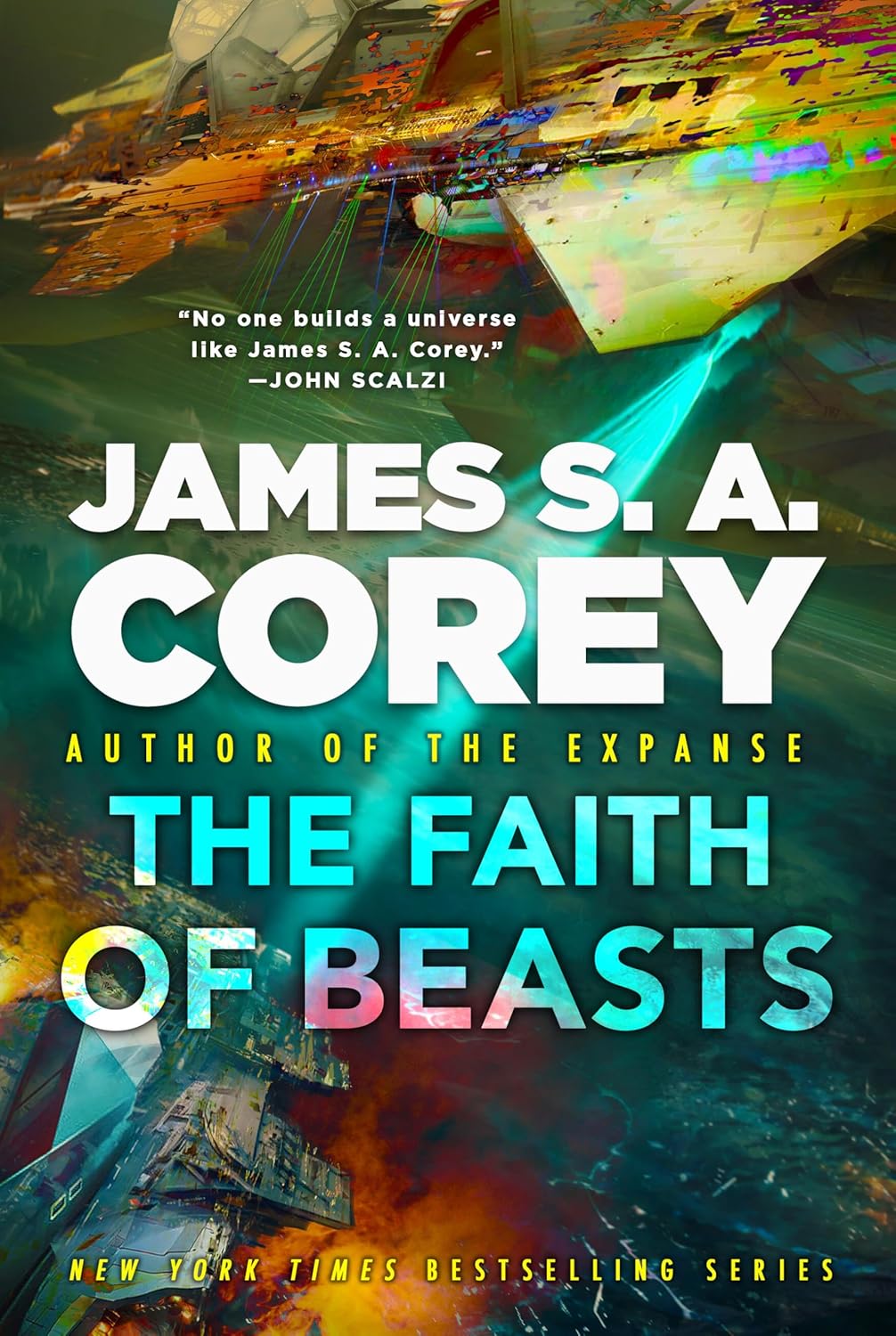
The Faith of Beasts
The Faith of Beasts is the second book of The Captive's War trilogy, authored by James S. A. Corey, the pen name of the writing duo: Ty Franck and Daniel Abraham, best known as the authors of The Expanse. This book continues the story of a far future human population conquered by an alien empire, … Continue reading The Faith of Beasts
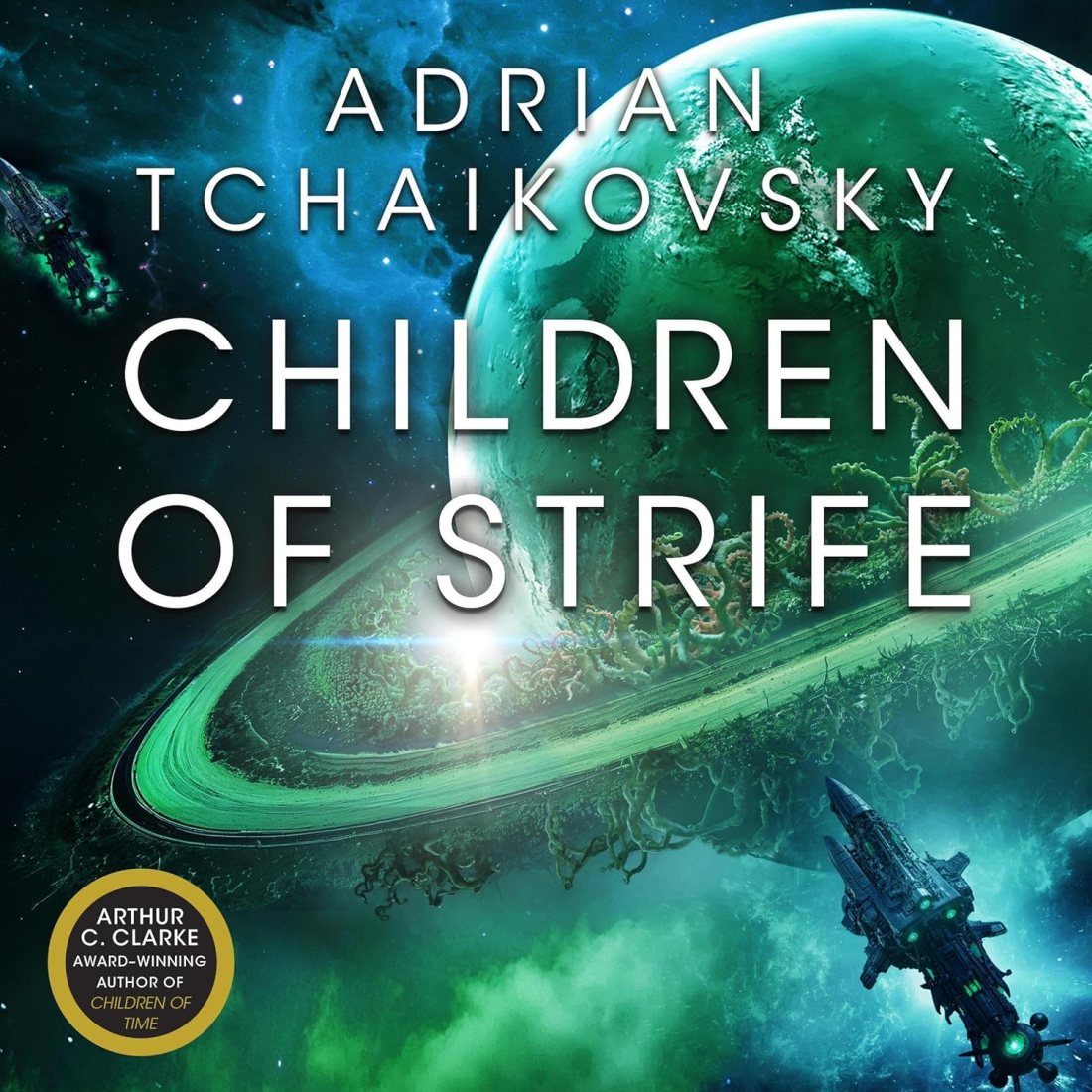
Children of Strife
Adrian Tchaikovsky's Children of Time books are about exploring different types of minds. In the first book he looked at spider minds, specifically uplifted Portia spiders. In the second it was octopuses and an alien group mind. In the third it was mated birds and another type of mind. In Children of Strife, he continues … Continue reading Children of Strife
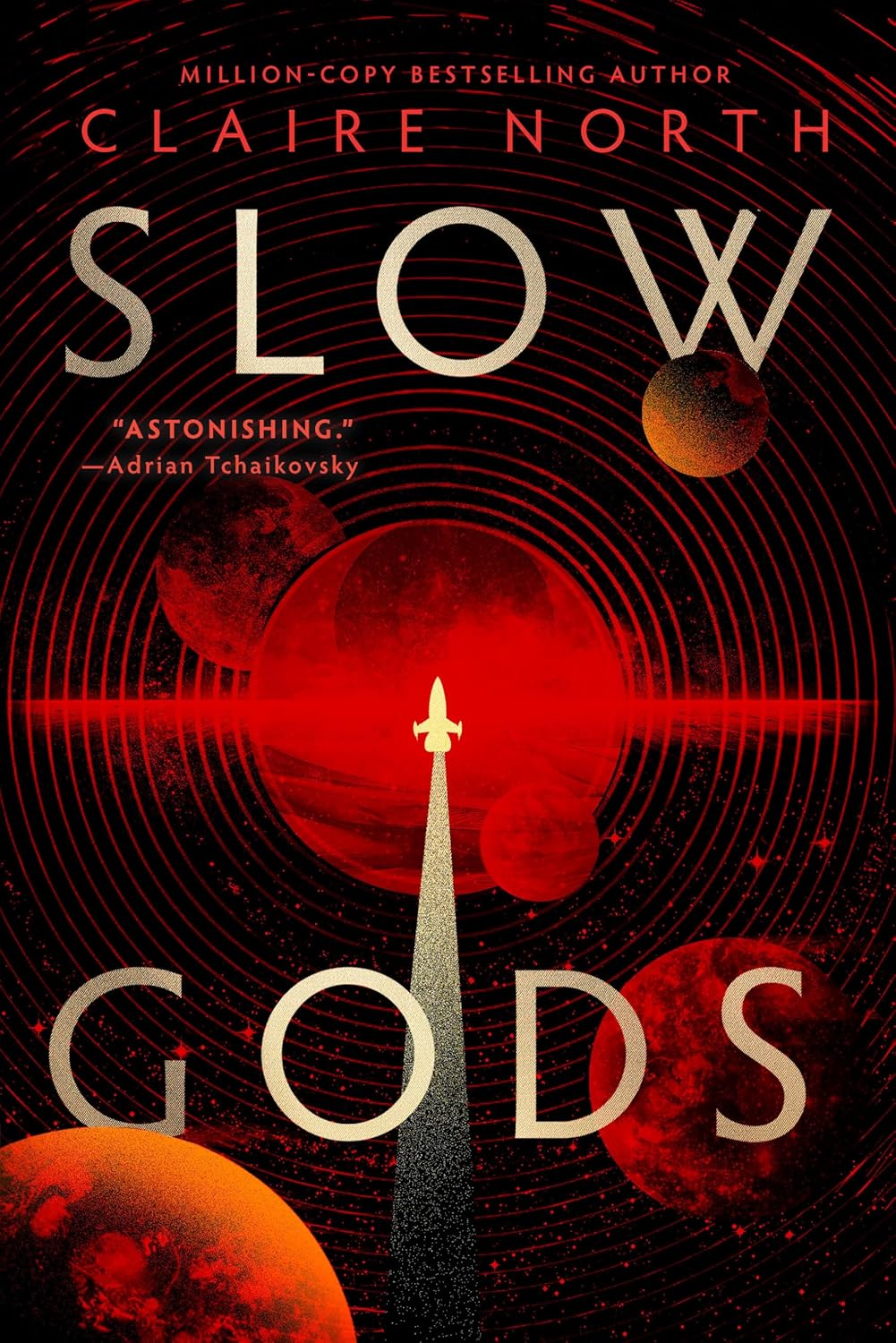
Slow Gods
Claire North's Slow Gods is a grim look at what happens to far future human societies in the vicinity of a supernova. It's a novel with a strong literary feel, one that explores a number of very distinct cultures, including a hyper-capitalistic dystopia, a highly artistic society, and lots of others in between. Early in … Continue reading Slow Gods
Project Hanuman: information as the fundamental reality
Stewart Hotston acknowledges that his Project Hanuman is inspired by Iain Banks' Culture novels. The society he describes, known as the Archology, is very similar to the Culture in many respects. However, where Banks' books usually have the Culture as the dominant civilization technologically, and always have them coming out on top, Hotston's Archology finds … Continue reading Project Hanuman: information as the fundamental reality
Halcyon Years
Alastair Reynolds' new novel, Halcyon Years, starts off as a murder mystery that takes place on an interstellar generation ship, a sealed O'Neill cylinder type environment, with cities, rivers, lakes, and forests. The ship is ruled by two rich families, the Urrys and the DelRossos, who hate each other. And while there are separate municipal … Continue reading Halcyon Years
Excession
Excession is one of the novels I missed years ago when reading Iain Banks' Culture series. The main reason, I think, is that for a long time it wasn't published in ebook format, I suspect due to formatting complexity. It just came out in ebook a couple of weeks ago, so I've finally been able … Continue reading Excession
Pushing Ice
I have a pet theory about good science fiction stories (and maybe fantasy ones). A good story needs to have both a wonder and a conflict element. A lot of classic SF only have the wonder one. Many of Arthur C. Clarke's stories fit in this category. Consider 2001: A Space odyssey. Remove the wonder … Continue reading Pushing Ice
Frankenstein; Or, The Modern Prometheus
After watching the new Frankenstein movie this weekend, I decided to correct something. I'd never read the original novel by Mary Shelley. I was familiar with the overall story, but I think it came from reading a comic book adaptation at some point decades ago, one I knew was heavily abridged. A key question upfront … Continue reading Frankenstein; Or, The Modern Prometheus