Back in 2009, David Bourget and David Chalmers conducted a survey of professional philosophers, asking for their positions on 40 questions. Over the years, a number of people have pointed out the existence of that survey. While I don't think anyone should change their position purely based on what large numbers of philosophers think, it's … Continue reading What philosophers believe, 2020 edition
Category: Philosophy
Scrutinize what makes you angry
We all have ideas or concepts that exasperate us when they're brought up. Mine have changed over the years. When I was younger, anything that called into question certain ideas, such as the religious faith I was raised in, or the mantra of American patriotism, irritated me to no end. I tended to reject propositions … Continue reading Scrutinize what makes you angry
The Scout Mindset
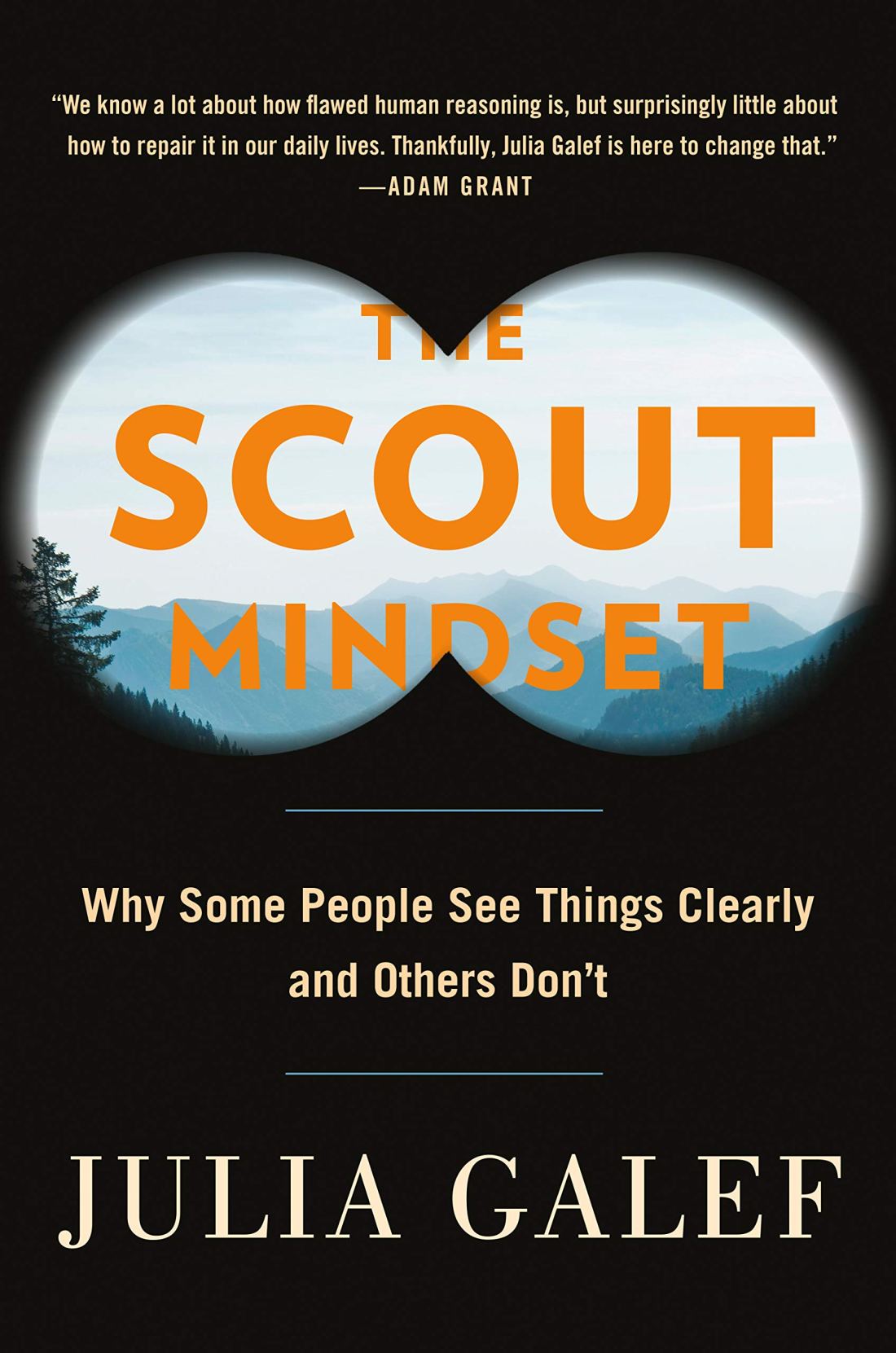
Julia Galef is the host of the podcast Rationally Speaking (which I've listened to for years and recommend). She's a rationalist concerned with improving the way she and others think. As a result, she often puts out material critiquing typical reasoning mistakes. As Sean Carroll pointed out recently when interviewing her, this tends to put … Continue reading The Scout Mindset
Structural realism, a way to be a scientific realist?

In the scientific realism vs instrumentalism debate, realism is the position that the elements of a scientific theory represent reality. So when general relativity talks about space warping, space really is warping. Instrumentalism, or anti-realism, is the stance that scientific theories are just prediction mechanisms, with no guarantee that they represent reality. Under instrumentalism, general … Continue reading Structural realism, a way to be a scientific realist?
The causal criteria for being real
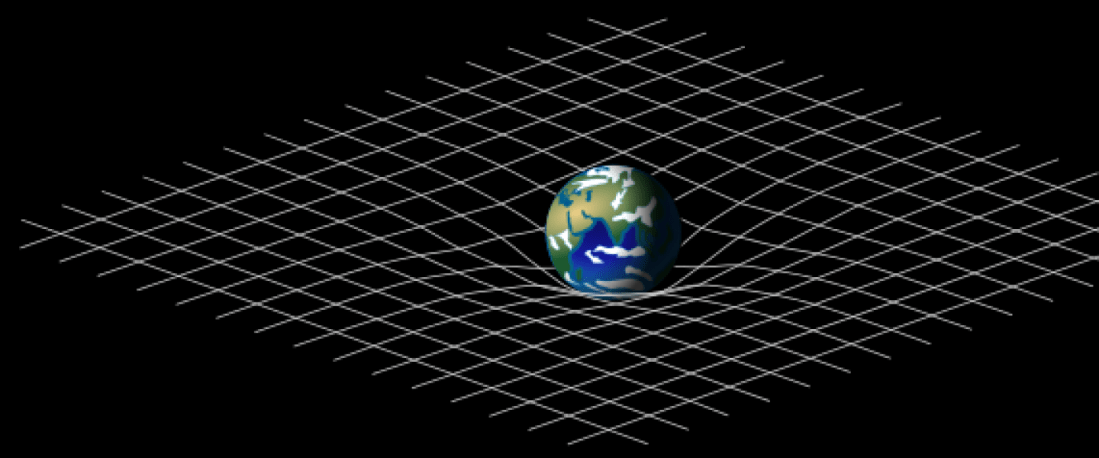
Ethan Siegel addresses a question on whether spacetime is real. But there’s more to the Universe than the objects within it. There’s also the fabric of spacetime, which has its own set of rules that it plays by: General Relativity. The fabric of spacetime is curved by the presence of matter and energy, and curved … Continue reading The causal criteria for being real
Scientific theories and prescriptive vs descriptive instrumentalism
Those of you who've known me a while may remember that I dislike accepting philosophical labels. For example, although the labels "materialist" or "physicalist" are more or less accurate descriptions of what I think, they often seem to imply an ideological rigidity I'm not comfortable with. My attitude toward these labels somewhat resonates with Neil … Continue reading Scientific theories and prescriptive vs descriptive instrumentalism
The rules of time travel?

In a somewhat whimsical podcast episode, Sean Carroll explores the physics and "rules" of time travel. Probably the first two thirds explore the physics. Carroll notes that if time travel under general relativity is at all possible, it would more likely involve a spaceship attempting to navigate some kind of closed timelike curve than stepping … Continue reading The rules of time travel?
Talking across the boundary of the epiphany
When learning a new idea or concept, often it doesn't make a lot of sense at first. The various descriptions may seem dubious, and we might fail to see the structural similarities that bind them. Then, at some point, if we keep at it and are lucky, we "get it", it "clicks", we have an … Continue reading Talking across the boundary of the epiphany
The iron rule of science?

I'm always interested in new takes on the demarcation between science and non-science, so after seeing the New Yorker write up on Michael Strevens' new book, The Knowledge Machine: How Irrationality Created Modern Science, it seemed like something I needed to read. Strevens begins by examining the two leading theories of science: Karl Popper's falsifiability … Continue reading The iron rule of science?
Fostering an open mind

There's an interesting article in Psyche: How to foster ‘shoshin’. "Shoshin" is a Japanese Zen word referring to a "beginner's mind." The idea is that when we take ourselves to be a beginner in a subject, or at least still a student of it, we're more open to possibilities. But as we begin to think … Continue reading Fostering an open mind
 SelfAwarePatterns