It seems like theories that are causally complete are better than ones with gaps. In thinking about this, I'm reminded of a Psyche article I shared a few years ago on fostering an open mind. One of their pieces of advice resonates with an outlook I've had for some time. If embarking on a full-on explanation … Continue reading Causal completeness
Month: January 2024
Cosmic voids and dark energy
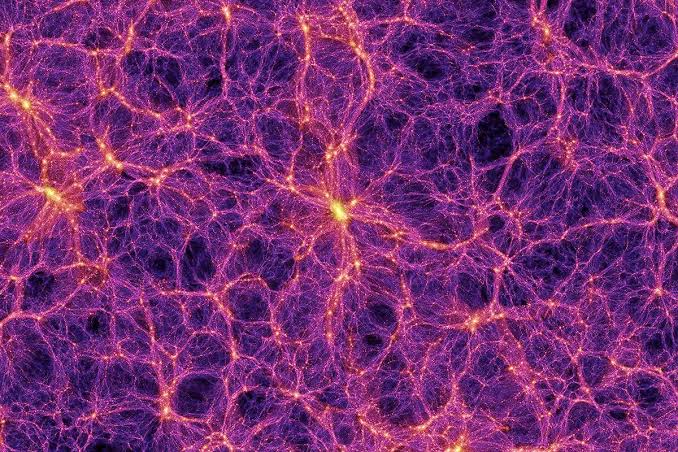
Cosmic voids may cause dark energy, or at least provide an explanation for the Hubble tension. A team of Iranian scientists have proposed that dark energy may not be something inherent to space itself, but the result of cosmic voids, vast regions of the universe between galactic superclusters and filaments with relatively little matter. Paul … Continue reading Cosmic voids and dark energy
Testing Everettian quantum mechanics
The Everett theory of quantum mechanics is testable in ways most people don't realize. Before getting into how or why, I think it's important to deal with a long standing issue. Everettian theory is more commonly known as the "many worlds interpretation", a name I use myself all the time. But what's often lost in the discussion … Continue reading Testing Everettian quantum mechanics
Tales From the Bridge
The podcast: Tales From the Bridge: All Things Sci-fi is worth checking out. I listen to a lot of podcasts. They're handy for keeping the mind occupied on daily walks. Most of these are science and philosophy shows. But as an aspiring writer, I also listen to writing podcasts. Among them are Writing Excuses, a group of … Continue reading Tales From the Bridge
Those inconvenient quantum interference patterns
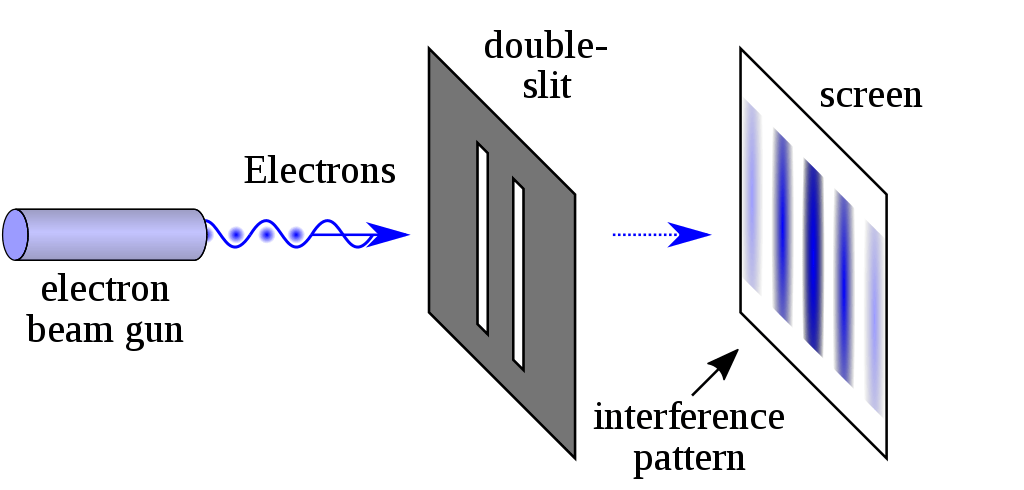
Are quantum states and the overall wave function real? Or merely a useful prediction tool? The mystery of quantum mechanics is that quantum objects, like electrons and photons, seem to move like waves, until they're measured, then appear as localized particles. This is known as the measurement problem. The wave function is a mathematical tool for modeling, … Continue reading Those inconvenient quantum interference patterns