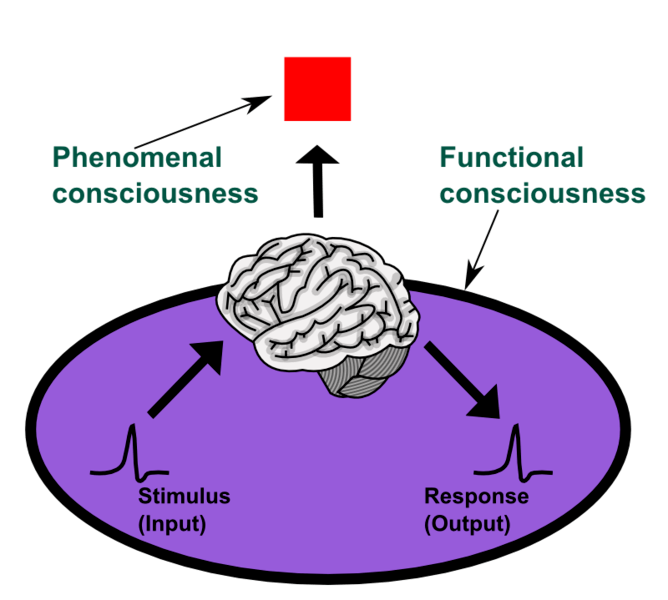
The hard problem of consciousness, a term coined by philosopher David Chalmers, asks how physical systems can produce phenomenal consciousness. Chalmers' term, coined in the 1990s, applied to an older problem that's been around for along time, the mind-body problem. More recently, Chalmers noted his intuition that the hard problem is widely and intuitively held … Continue reading Regular people: What hard problem of consciousness?
Category: Zeitgeist
The blogging experience at 1000 posts
Yes, this is the 1000th post here on SelfAwarePatterns. I started this blog in November, 2013, largely from two motivations. One was because I had done Nanowrimo the previous November. (Nanowrimo is a challenge to write a novel in a month. Worth checking out if you've ever had that ambition.) I felt bad about not … Continue reading The blogging experience at 1000 posts
What do alien civilizations look like from afar?
This is a pretty good description of the Kardashev Scale of civilization energy usage. https://www.youtube.com/watch?v=rhFK5_Nx9xY I initially thought the video overestimated how close we are to being a Type I civilization, but then I remembered that the whole scale is logarithmic, so maybe not. It also mentioned that we might "choose" to build a megastructure … Continue reading What do alien civilizations look like from afar?
The Elflord and the Mayfly
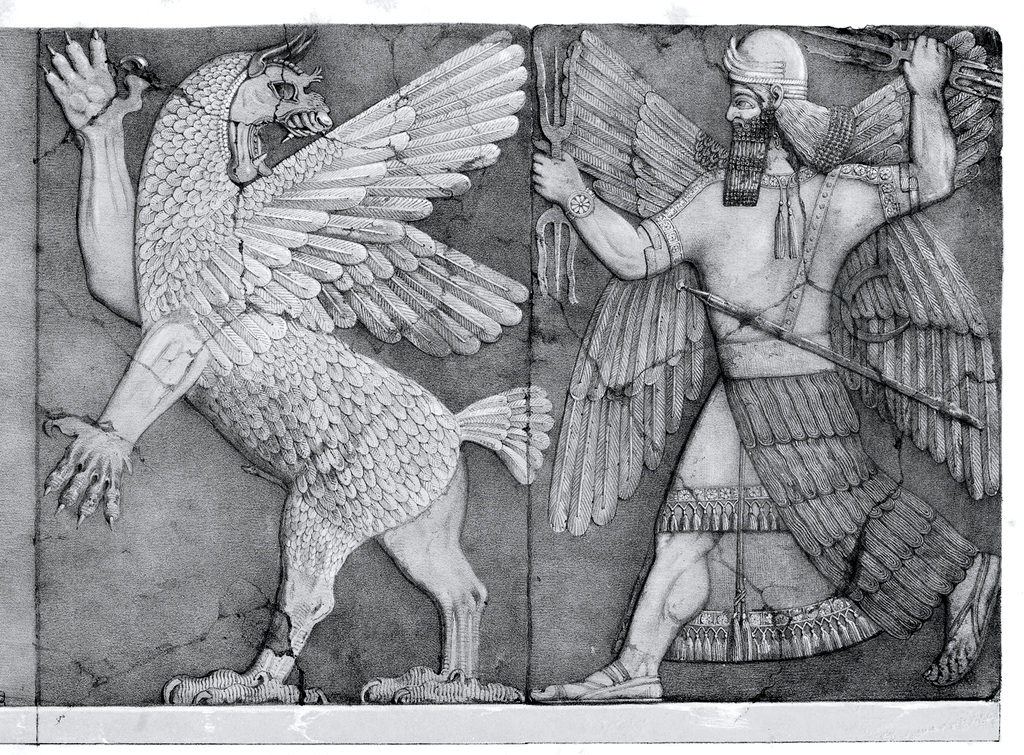
I found this Existential Comic interesting for its insight on what things might be like for J.R.R. Tolkien's version of elves. The author, on Twitter, shared a short video on Tolkien's thoughts on death. If you're familiar with the mythology behind The Lord of the Rings, as revealed in The Silmarillion and other works, the … Continue reading The Elflord and the Mayfly
The substitution argument
A preprint came up a few times in my feeds, titled: Falsification and consciousness. The paper argues that all the major scientific theories of consciousness are either already falsified or unfalsifiable. One neuroscientist, Ryota Kanai, calls it a mathematical proof of the hard problem. Based on that description, it was hard to resist looking at … Continue reading The substitution argument
The forlorn search for moral realism
I'm not a moral realist. But I think we definitely have personal morals, the moral norms of the culture we live in, and the moral rules we encode in law. These all interact and influence each other in an ongoing feedback process. They can be studied with psychology, sociology, anthropology, law, history, and probably some … Continue reading The forlorn search for moral realism
Invasion of the farmers
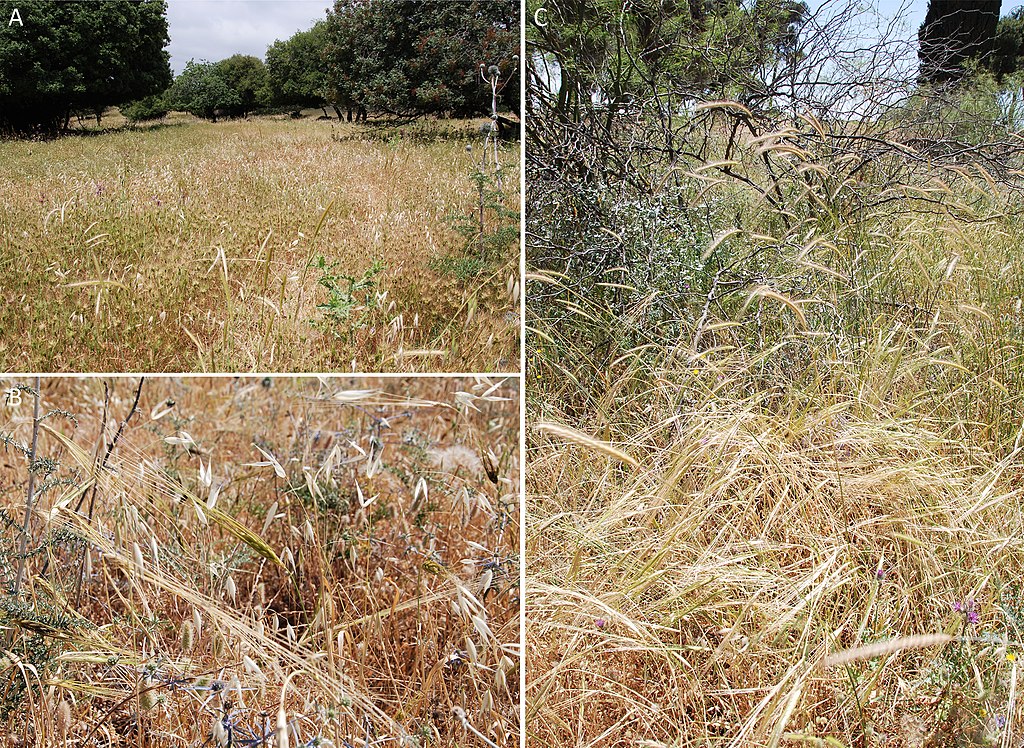
Related to some of our recent discussions, Scientific American has an interesting article on the spread of farming during the neolithic. From the article: Roughly 9,000 years ago farmers from the Middle East headed toward Europe, seeking new land to cultivate. The farmers traveled either along the Mediterranean coast or the Danube River, encountering hunter-gatherers who lived … Continue reading Invasion of the farmers
The crucial knowledge of ignorance
This is part of an ongoing series inspired by my reading of Yuval Noah Harari's Sapiens: A Brief History of Humankind. A while back, I discussed the discovery of discovery, the historical development of the idea that there were things to discover in the world, things the ancients didn't already know. Harari flips this around, … Continue reading The crucial knowledge of ignorance
The maturity of fiction awareness
In an ongoing series, I'm covering topics that catch my interest as I read Yuval Noah Harari's Sapiens: A Brief History of Humankind. One topic that Harari returns to often is the idea of imagined worlds. Homo sapiens acquired the ability to create imagined worlds in what he called "the cognitive revolution". Most anthropologists see … Continue reading The maturity of fiction awareness
Was the agricultural revolution a mistake?
I'm continuing to work my way through Yuval Noah Harari’s Sapiens: A Brief History of Humankind, and have just finished his section on the agricultural revolution. This is the transition from a hunter-gatherer foraging lifestyle, which humanity had followed for hundreds of thousands of years, to a settled farming one about 12,000 years ago. Harari describes … Continue reading Was the agricultural revolution a mistake?