Last week the Nobel Prize in Physics was awarded to Alain Aspect, John F. Clauser, and Aton Zeilinger, for their work in testing quantum entanglement, essentially validating that quantum mechanics is correct about the phenomenon, and eliminating, or at least profoundly minimizing, any possible loopholes. https://twitter.com/NobelPrize/status/1577234271546200064 Of course this set off a lot of physicists … Continue reading It pays to remember that reality is absurd
The Dying Earth genre
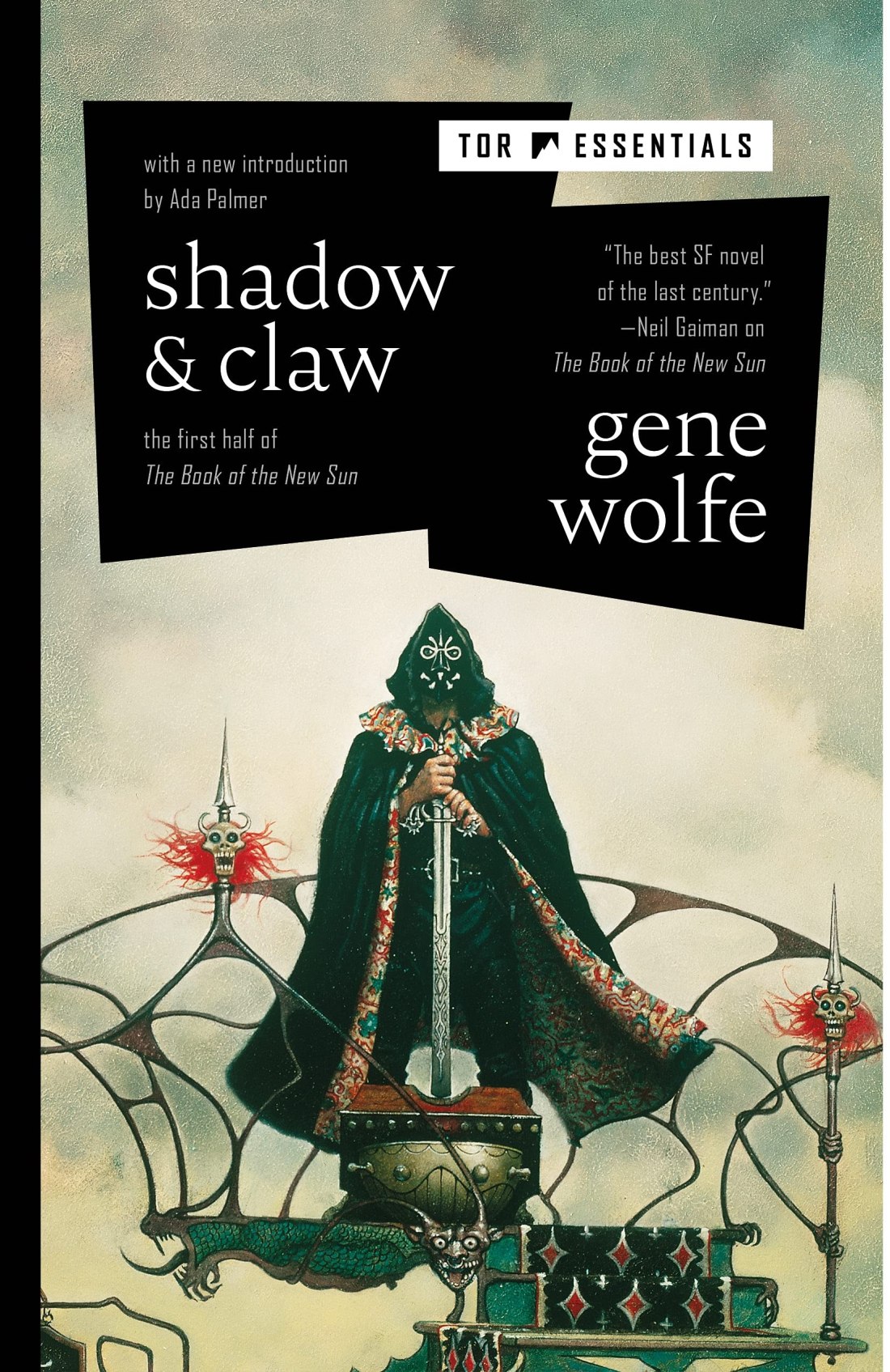
Ever since first reading Jack Vance's Dying Earth stories many years ago, I've been interested in the Dying Earth genre. It includes stories of an earth millions or billions of years in the future, one where the planet is running down, often with the sun also near the end of its life. The setting is … Continue reading The Dying Earth genre
Russellian monism, the same as illusionism?
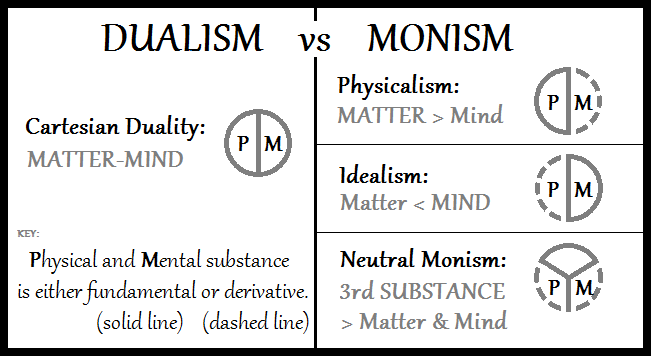
I usually have to wait for the audio version of these Mind Chat podcasts, but this one seemed a reasonable length and I had some time this weekend. Keith Frankish, an illusionist, and Philip Goff, a panpsychist, interviewed Noam Chomsky for his views on consciousness. (The video is about 72 minutes. You don't necessarily need … Continue reading Russellian monism, the same as illusionism?
Don’t throw out Occam’s razor just yet
Jim Al-Khalili has an article at OpenMind attacking Occam's razor, at least in the form it's typically articulated, that the simplest explanation should be preferred. Al-Khalili correctly points out that there are a lot of problems with that version of the principle. Simply preferring the explanation we think is the simplest is often just favoring … Continue reading Don’t throw out Occam’s razor just yet
Why I’m enjoying The Rings of Power more than House of the Dragon

It's an interesting time for fantasy fans, with two major series airing at the same time. There have been a lot of comparisons between them, and speculation on which would "win". Of course, there's no particular reason to see these shows as competitors since a lot of people, like me, will watch both. They're similar … Continue reading Why I’m enjoying The Rings of Power more than House of the Dragon
The possibility of civilization collapsing and longtermism
This Kurzgesagt video is interesting. It discusses the possibility of civilization collapsing and how it might affect the long term fate of humanity. It's about 11 minutes. https://www.youtube.com/watch?v=W93XyXHI8Nw Kurzgesagt: Is Civilization on the Brink of Collapse? One of the things the video gets into is how we should think about our present day decisions, decisions … Continue reading The possibility of civilization collapsing and longtermism
Westworld and the dangers of artificial people

It's strange that I've never posted about Westworld. Looking back, it might have been because the first season finished in late 2016 during a period of high distraction (at least for me), the second season happened during my "blogging winter" in 2018 (another period of distraction), and the third, while mildly entertaining, was nothing to … Continue reading Westworld and the dangers of artificial people
Needle (Inverted Frontier Book 3)

The latest installment of Linda Nagata's Inverted Frontier series, Needle, dropped last week, so of course I had to immediately move it to the top of the reading list. This is far future space opera, but with hard(ish) science fiction bent. Unlike typical space opera, there is no faster than light travel, so no galactic … Continue reading Needle (Inverted Frontier Book 3)
The specificity problem

Henry Shevlin has an interesting paper from 2021 in Mind & Language that just went open access: Non-human consciousness and the specificity problem: A modest theoretical proposal. Shevlin discusses the problem of applying cognitive theories of consciousness, developed within the context of human psychology, to non-human systems, such as animals or artificial systems. For example, … Continue reading The specificity problem
Philosophical semanticism
This week, while working through my podcast backlog, I came across an interview of Jacy Reese Anthis. We discussed Anthis' paper on consciousness semanticism a few months ago. Like me, Anthis sees the term "consciousness" as ambiguous, one that has had a variety of different meanings over the centuries, and continues to have a range … Continue reading Philosophical semanticism
 SelfAwarePatterns