Can consciousness be simulated?

human cyborg

David Chalmers in his book: Reality+: Virtual Worlds and the Problems of Philosophy, eventually gets around to addressing the 800-pound gorilla in the room for any discussion of the simulation hypothesis. Can consciousness itself be simulated, and if so, would the resulting entity be conscious? This issue, I think, is what makes many react with far sharper … Continue reading Can consciousness be simulated?

Information, computation, and reality

David Chalmers in his book: : Reality+: Virtual Worlds and the Problems of Philosophy, has a discussion on information and reality. He identifies different types of information: semantic, structural, and symbolic. Semantic information is what we colloquially think of as information, it's the patterns that tell someone or something about reality. A map of a city … Continue reading Information, computation, and reality

Many-worlds and Bell’s theorem

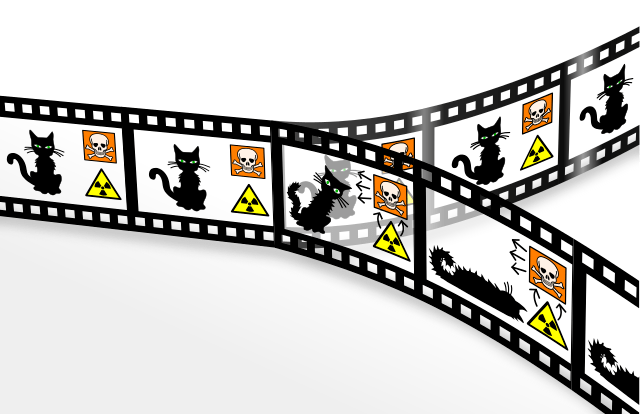
Schrodinger's cat in many worlds

Sean Carroll's February AMA episode is up on his podcast. As usual, there were questions about the Everett many-worlds interpretation of quantum mechanics (which I did a new primer on a few weeks ago). This time, there was a question related to the correlated outcomes in measurements of entangled particles that are separated by vast … Continue reading Many-worlds and Bell’s theorem

Can we know if we’re in a simulation?

The Matrix code in green

I'm currently making my way through David Chalmers' new book: Reality+: Virtual Worlds and the Problems of Philosophy. Chalmers explores the simulation hypothesis, using it as a portal into a wide ranging selection of philosophical issues, including discussions on God, information theory, structuralism, and a lot of other topics I haven't gotten to yet. His … Continue reading Can we know if we’re in a simulation?

Complex life may be more rare in the universe than we thought

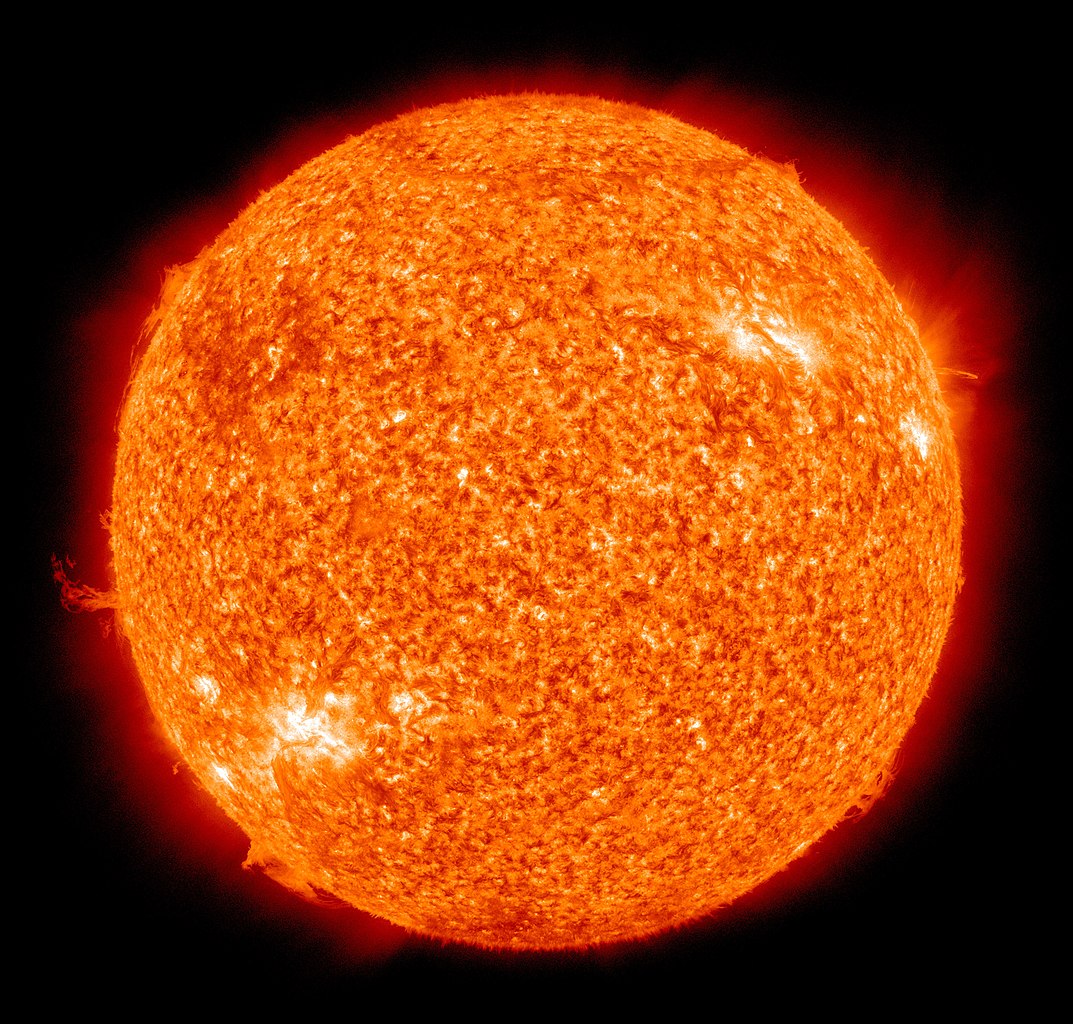
Image of the sun

Quanta has a pretty interesting article up today: A Solution to the Faint-Sun Paradox Reveals a Narrow Window for Life. Our understanding of the physics of the sun indicate that it should have been only 70% as bright as it is today. But if so, early Earth should have been a snowball not really capable … Continue reading Complex life may be more rare in the universe than we thought

The entanglements and many worlds of Schrödinger’s cat

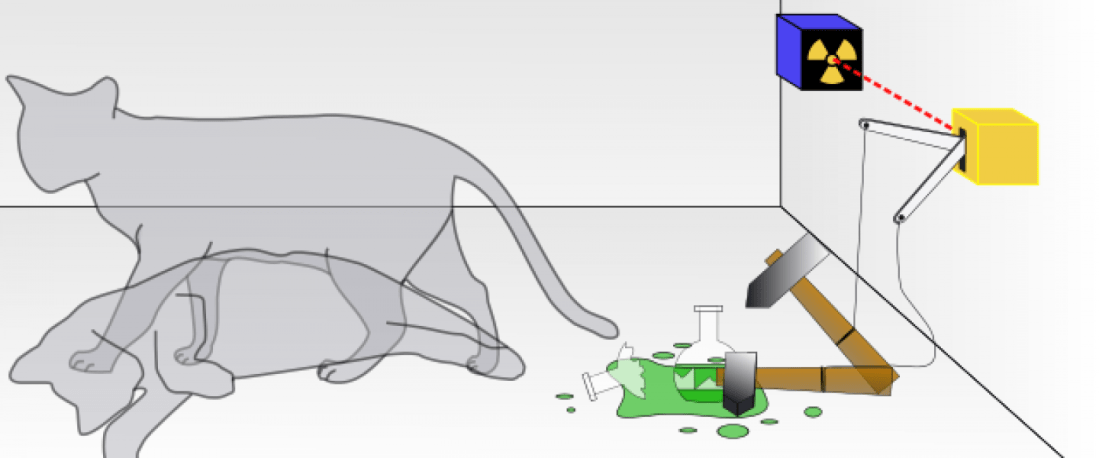
I recently had a conversation with someone, spurred by the last post, that led to yet another description of the Everett many-worlds interpretation of quantum mechanics, which I think is worth putting in a post. It approaches the interpretation from a different angle than I've used before. As mentioned last time, the central mystery of … Continue reading The entanglements and many worlds of Schrödinger’s cat

The benefits of wave function realism?

Hydrogen wave function plots

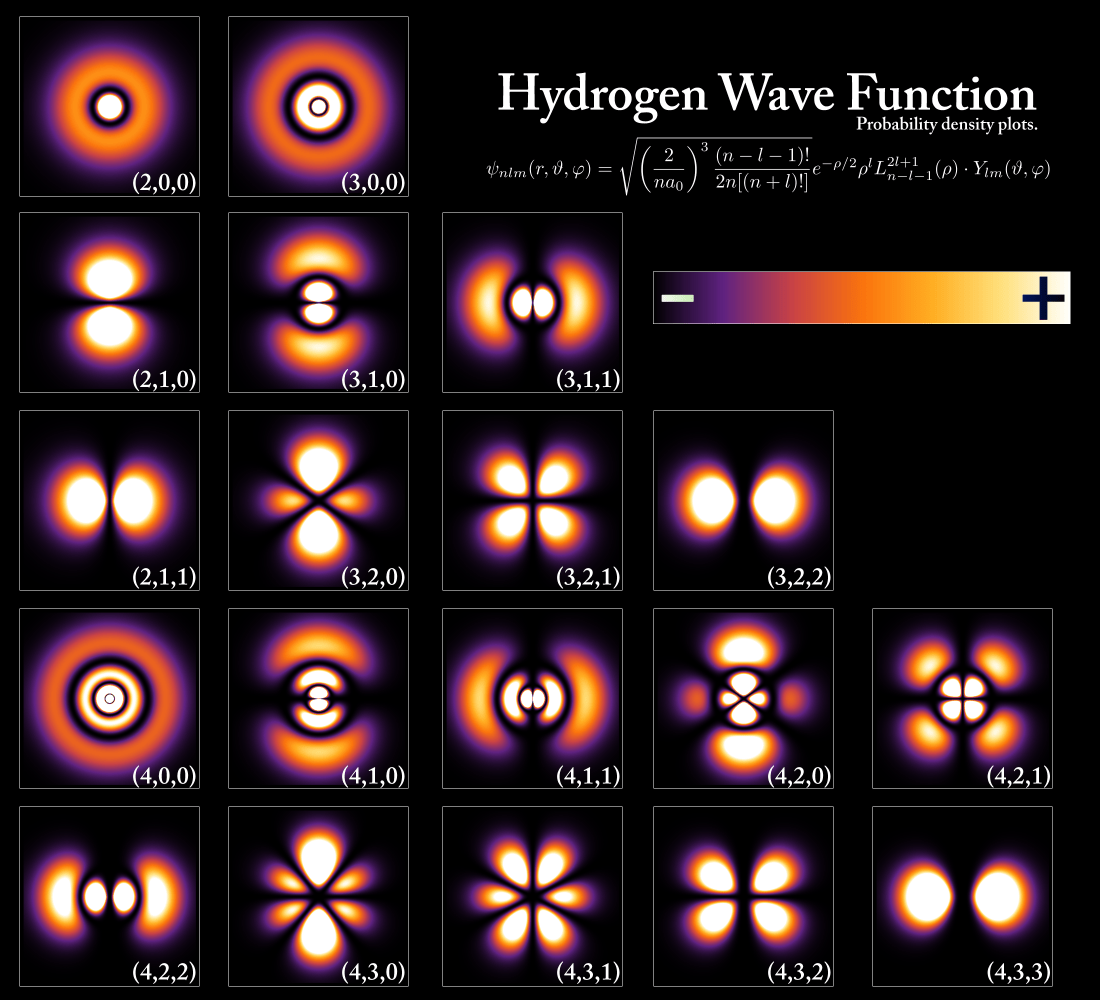
The central mystery of quantum mechanics is that quantum particles move like waves but hit and leave effects like localized particles. This is true of elementary particles, atoms, molecules, and increasingly larger objects, possibly macroscopic ones. It's even true of collections of entangled particles, no matter how separated the particles may have become. People have … Continue reading The benefits of wave function realism?