What justifies logic?

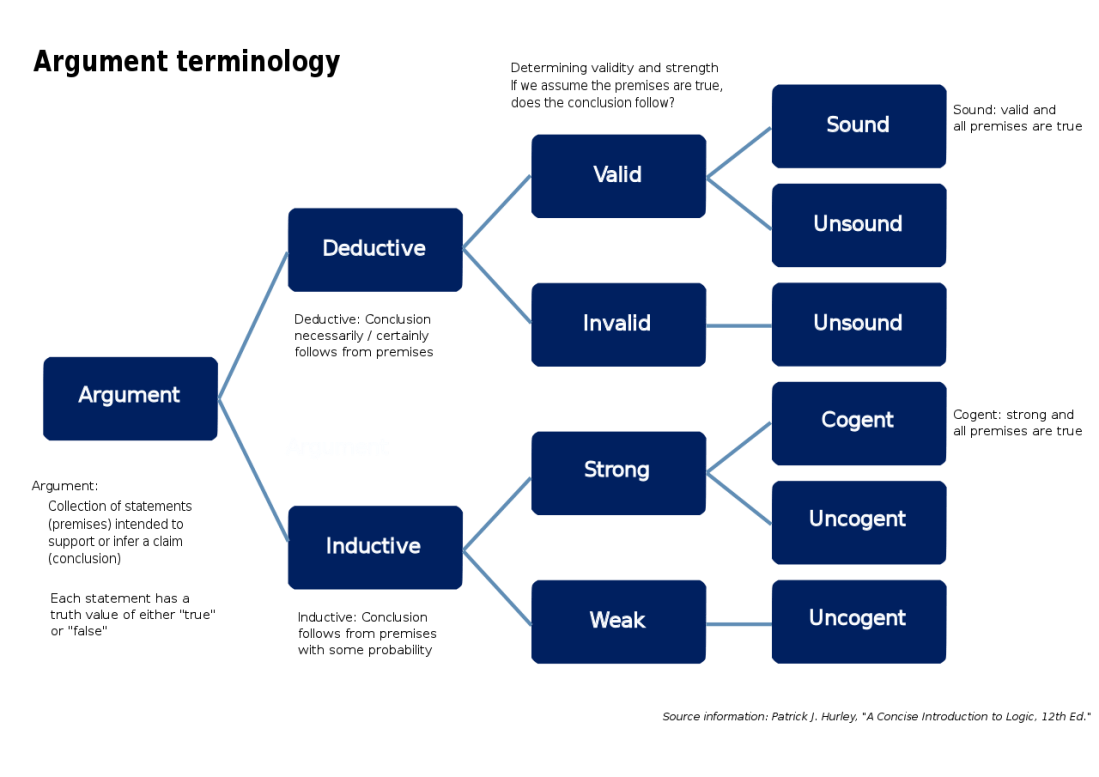
Argument terminology used in logic and reasoning

Jacob McNulty has an article at IAI arguing that the foundations of logic can only be found in metaphysics. (Warning: possible paywall. Alternate link.). He describes a problem called “the logocentric predicament," that any attempt to justify logic with logic ends up being circular, risking an infinite regress. He notes that the most common response … Continue reading What justifies logic?

Can we know if we’re in a simulation?

The Matrix code in green

I'm currently making my way through David Chalmers' new book: Reality+: Virtual Worlds and the Problems of Philosophy. Chalmers explores the simulation hypothesis, using it as a portal into a wide ranging selection of philosophical issues, including discussions on God, information theory, structuralism, and a lot of other topics I haven't gotten to yet. His … Continue reading Can we know if we’re in a simulation?

The benefits of wave function realism?

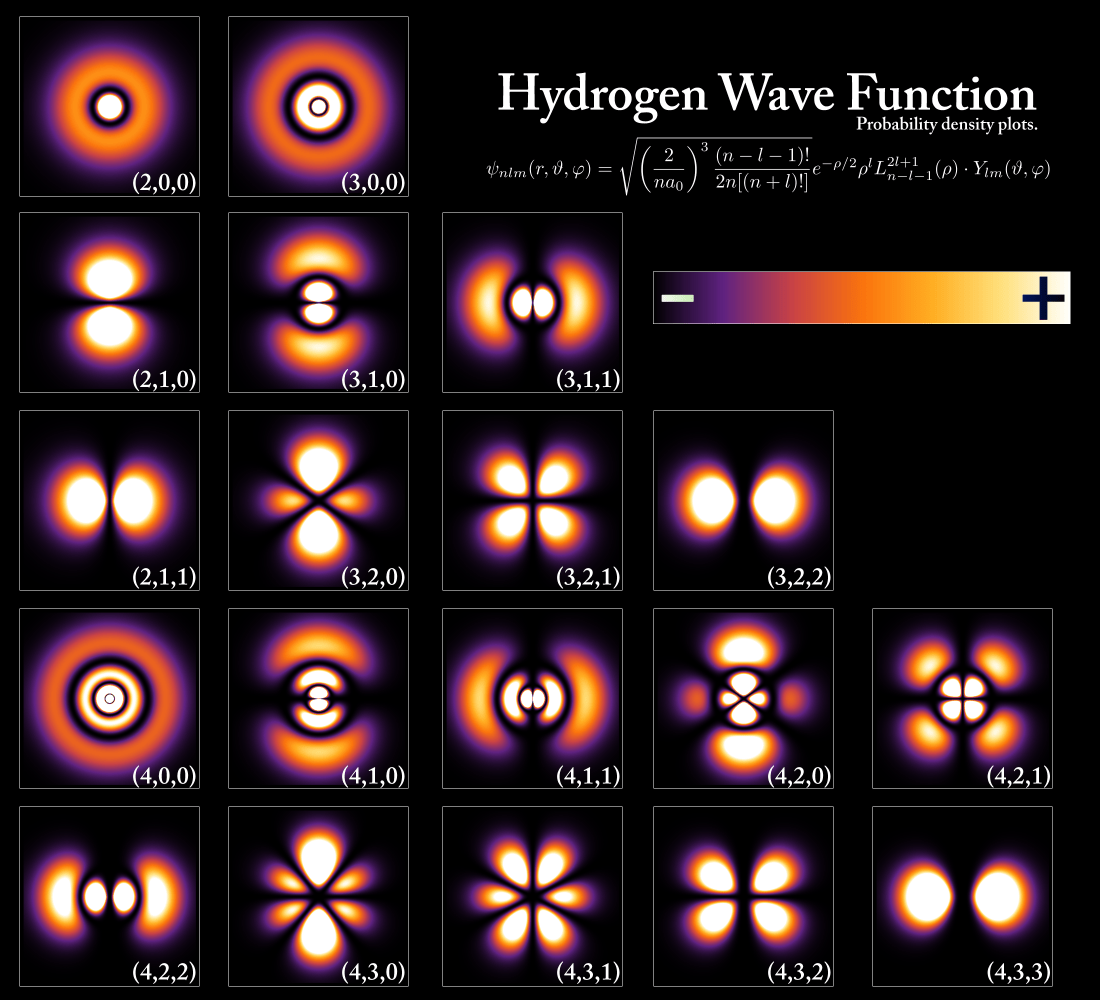
Hydrogen wave function plots

The central mystery of quantum mechanics is that quantum particles move like waves but hit and leave effects like localized particles. This is true of elementary particles, atoms, molecules, and increasingly larger objects, possibly macroscopic ones. It's even true of collections of entangled particles, no matter how separated the particles may have become. People have … Continue reading The benefits of wave function realism?

The right reason to doubt the simulation hypothesis

This weekend, Sabine Hossenfelder did a video and post about the simulation hypothesis, the idea that we might be living in a computer simulation. She dismisses the notion that consciousness can't be a computational simulation, which I think is correct, but then settles on the idea that physics itself can't be simulated, because we have … Continue reading The right reason to doubt the simulation hypothesis

Platonism and the non-physical

On occasion, I've been accused of being closed-minded.  (Shocking, I know.)  Frequently the reason is not seriously considering non-physical propositions, a perception of rigid physicalism.  However, as I've noted before, I'm actually not entirely comfortable with the "physicalist" label (or "materialist", or other synonyms or near synonyms).  While it's fairly accurate as to my working … Continue reading Platonism and the non-physical