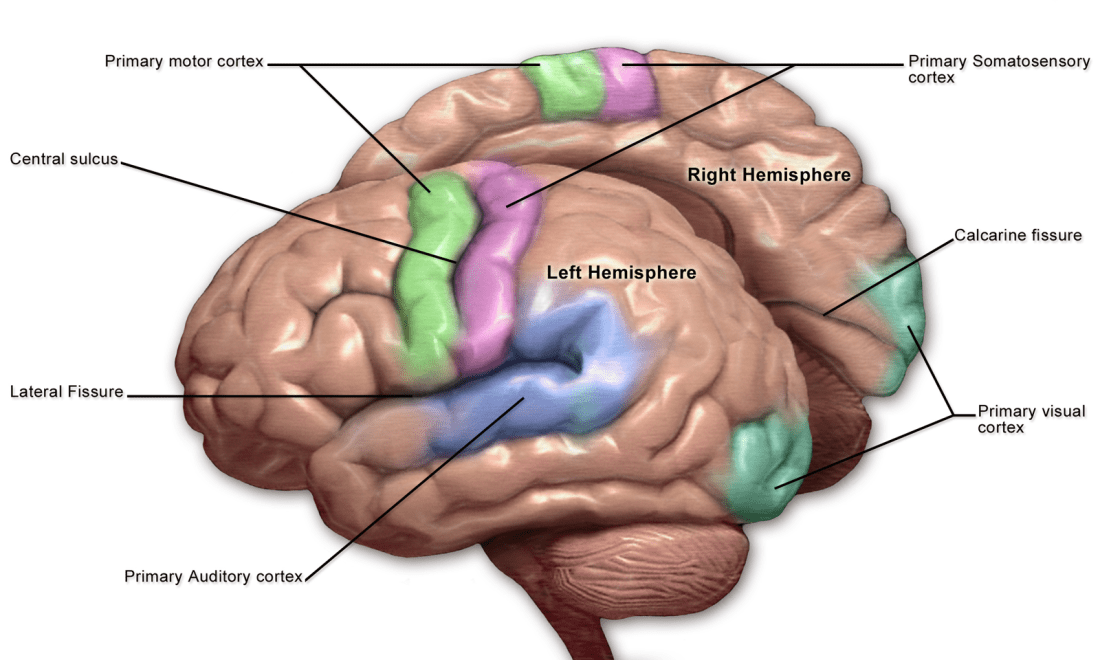
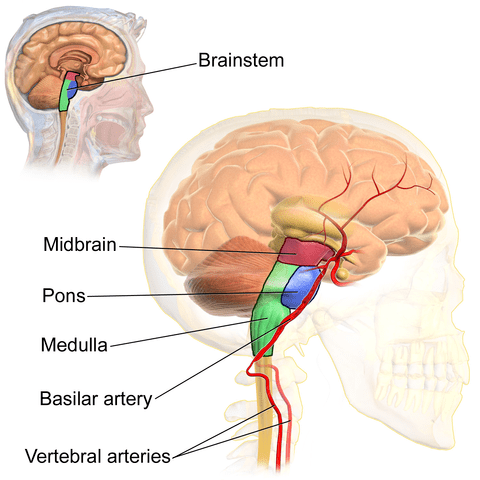
Spurred by a couple of recent conversations, I've been thinking about computation in the brain. It was accelerated this week by the news that the connectome of the fly brain is complete, a mapping of its 140,000 neurons and 55 million synapses. It's a big improvement over the 302 neurons of the C. Elegans worm, … Continue reading Classic and connectionist computationalism
Tag: Mind
Consciousness must be adaptive
The New York Declaration on Animal Consciousness has been making a lot of headlines. The declaration itself has somewhat careful language in terms of what it's asserting, but many of the headlines don't. The declaration is short, so it's easy to quote in full. Which animals have the capacity for conscious experience? While much uncertainty … Continue reading Consciousness must be adaptive
Is AI consciousness an urgent issue?
AI consciousness seems like an easier thing to ponder when you approach it from a functionalist viewpoint. Sunday I watched the movie The Creator. The premise is a few decades in the future, we've managed to create sentient robots. At first, all seems well, with them being a boon for humanity. Then a nuclear bomb goes off in … Continue reading Is AI consciousness an urgent issue?
Q&A on the Mind Object Identity hypothesis
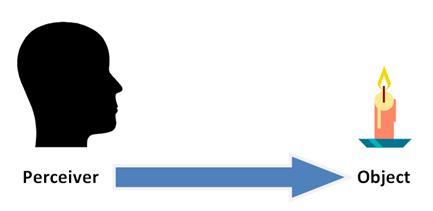
I recently did a post on Riccardo Manzotti’s interesting IAI article: There is no problem of consciousness (warning: possible paywall). In that article, Manzotti described his Mind Object Identity hypothesis. He also published a paper on this idea in 2019, which goes into much more detail. A quick recap. We make a mistake, he argues, in trying to … Continue reading Q&A on the Mind Object Identity hypothesis
The urge to downplay the brain
For much of human history, most people thought the seat of the soul was in the heart. There were some ancient thinkers who managed to figure out the role of the brain, but widespread acceptance of it is an early modern development from the scientific revolution. But it seems like something a lot of people … Continue reading The urge to downplay the brain
The Invention of Tomorrow
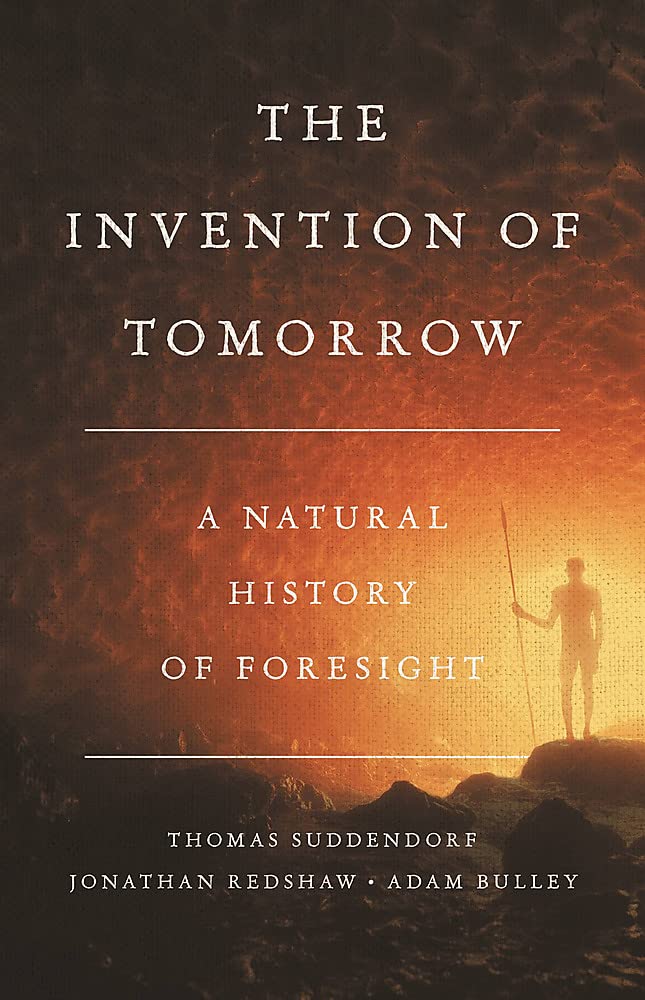
This week I read (actually listened to) The Invention of Tomorrow: A Natural History of Foresight by Thomas Suddendorf, Jonathan Redshaw, and Adam Bulley. I was alerted to the existence of this book by Sean Carroll's interview of Bulley on his podcast, which provides a good overview of their overall thesis. People have long struggled … Continue reading The Invention of Tomorrow
The debate between phenomenal realism and illusionism, and the scope of perceptual properties
In the last post, I pondered the idea that the real difference between a realist and anti-realist stance toward a scientific theory is about how broad or narrow the scope of the theory might be, about it's domain of applicability. An anti-realist takes a narrower view on scope; such as that the theory can be … Continue reading The debate between phenomenal realism and illusionism, and the scope of perceptual properties
Attention and consciousness
I noted in the post on Susan Blackmore's views that often consciousness get associated with the results of one of three processes: perception, attention, or introspection. Interestingly, while everyone and their brother has a book out on consciousness, attention receives far less... attention. At least in the popular press. The science of attention has a … Continue reading Attention and consciousness
Graziano’s non-mystical approach to consciousness
Someone called my attention to a new paper by Michael Graziano: A conceptual framework for consciousness. I've highlighted Graziano's approach and theory many times over the years. I think his Attention Schema Theory provides important insights into how top down attention works. But it's his overall approach that I find the most value in. He's … Continue reading Graziano’s non-mystical approach to consciousness
From molecule minds to superminds
When writing about the mind and consciousness, and how it exists in material systems, many of us resort to functional hierarchies. (Mine typically start with physical interaction and work all the way up to self reflection.) Ogi Ogas and Sai Gaddam have a similar idea, and have written a whole book on it: Journey of … Continue reading From molecule minds to superminds