The block universe is interesting, but not comforting
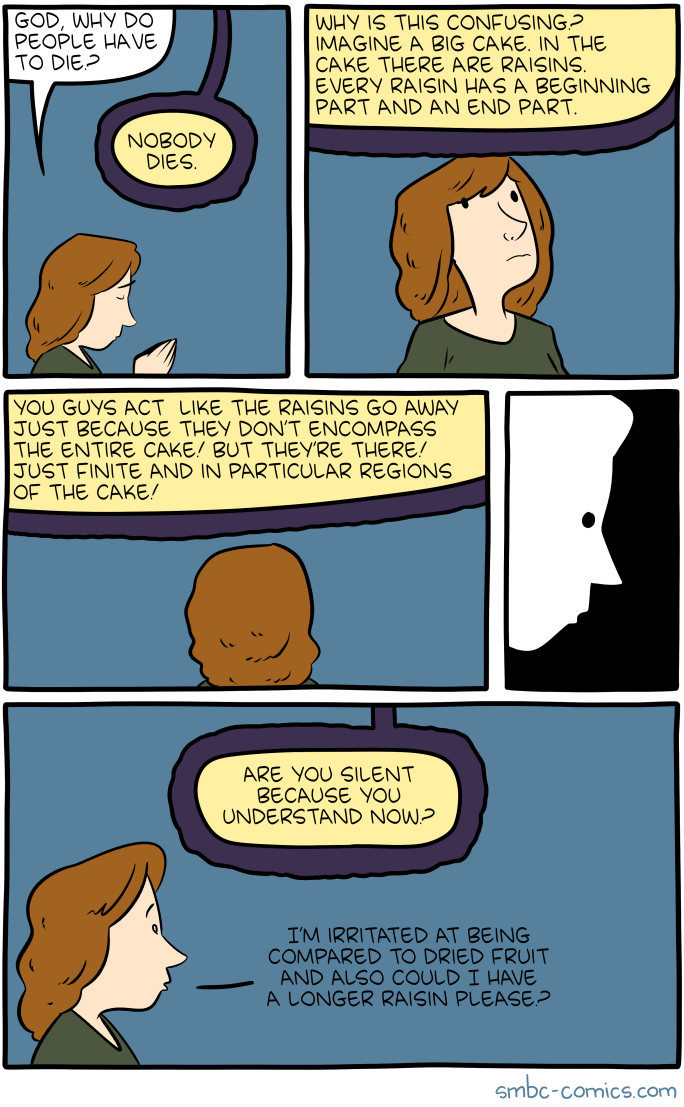
Click through for source and bonus red button caption at smbc-comics.com. This SMBC gets at something that's often bothered me about the way many people talk about the block universe concept. The block universe is the idea that if the universe is fully deterministic, then its entire history from beginning to end exists in an … Continue reading The block universe is interesting, but not comforting

The iron rule of science?

I'm always interested in new takes on the demarcation between science and non-science, so after seeing the New Yorker write up on Michael Strevens' new book, The Knowledge Machine: How Irrationality Created Modern Science, it seemed like something I needed to read. Strevens begins by examining the two leading theories of science: Karl Popper's falsifiability … Continue reading The iron rule of science?

The problem with Mary’s room

For some reason, Mary's room has been garnering attention lately.  This TED Ed video on it was shared on Aeon's site this week. https://www.youtube.com/watch?v=mGYmiQkah4o The wording of the actual thought experiment is important, so quoting Frank Jackson's words (via the Wikipedia article on the knowledge argument): Mary is a brilliant scientist who is, for whatever reason, … Continue reading The problem with Mary’s room

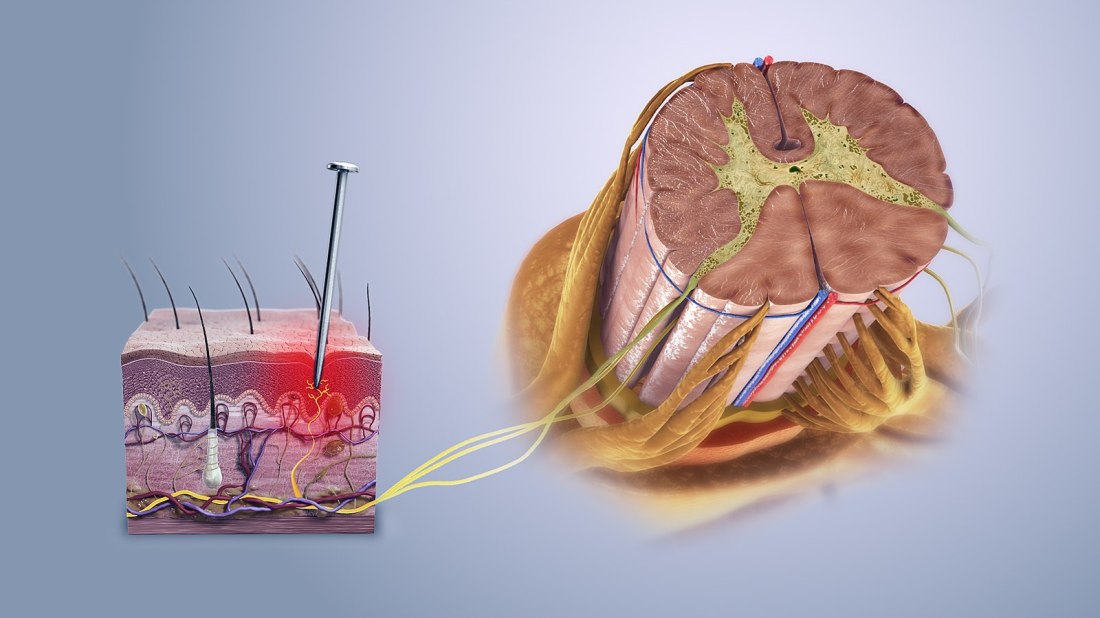
Regular people: What hard problem of consciousness?

The hard problem of consciousness, a term coined by philosopher David Chalmers, asks how physical systems can produce phenomenal consciousness.  Chalmers' term, coined in the 1990s, applied to an older problem that's been around for along time, the mind-body problem.  More recently, Chalmers noted his intuition that the hard problem is widely and intuitively held … Continue reading Regular people: What hard problem of consciousness?

The maturity of fiction awareness

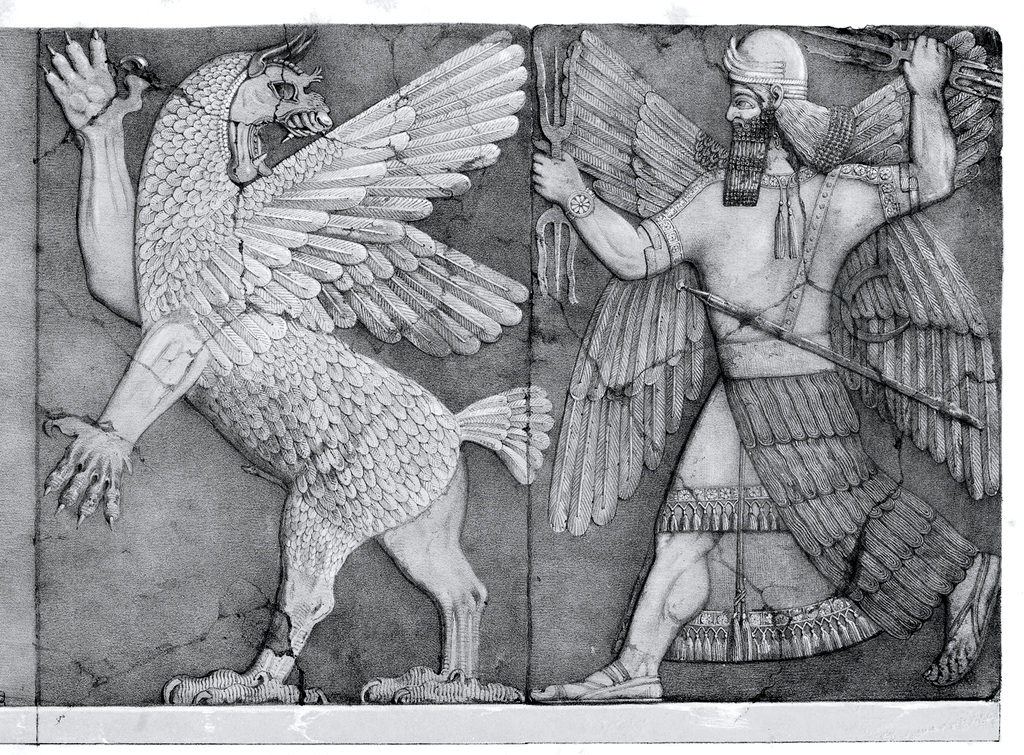
Mesopotamian religious imagery

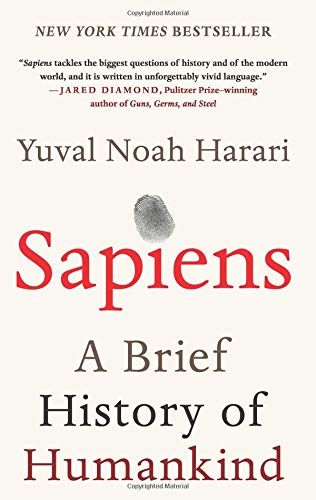
In an ongoing series, I'm covering topics that catch my interest as I read Yuval Noah Harari's Sapiens: A Brief History of Humankind.  One topic that Harari returns to often is the idea of imagined worlds.  Homo sapiens acquired the ability to create imagined worlds in what he called "the cognitive revolution".  Most anthropologists see … Continue reading The maturity of fiction awareness