This is the fourth in a series of posts on Jonathan Birch’s book, The Edge of Sentience. This one covers the section on artificial intelligence. Birch begins the section by acknowledging how counter intuitive the idea might be of sentience existing in systems we build, ones that aren't alive and have no body. But he urges us to … Continue reading The edge of sentience in AI
Tag: Philosophy
The edge of sentience in animals
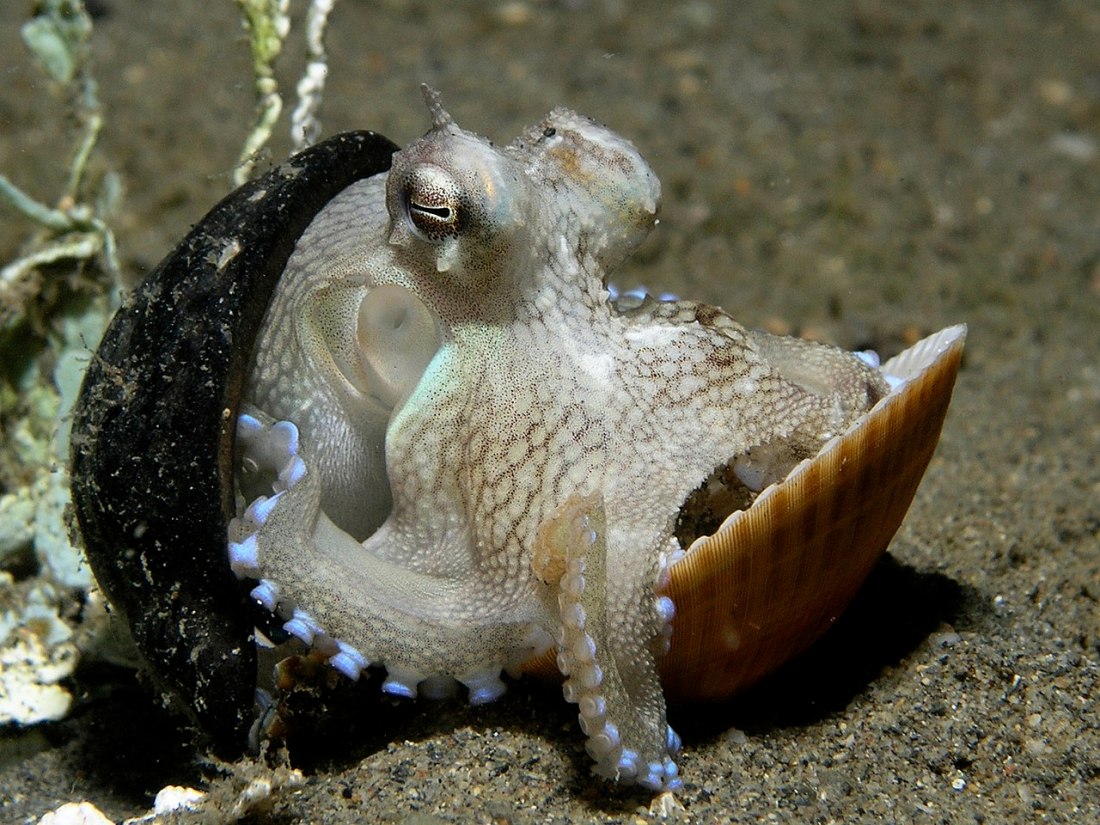
This is the third in a series of posts on Jonathan Birch's book, The Edge of Sentience. This one covers the section on animal sentience. I think it's fair to say that this is the section Birch is most passionate about. It's definitely the one where I feel his activism most keenly. A concept he … Continue reading The edge of sentience in animals
The edge of sentience in humans
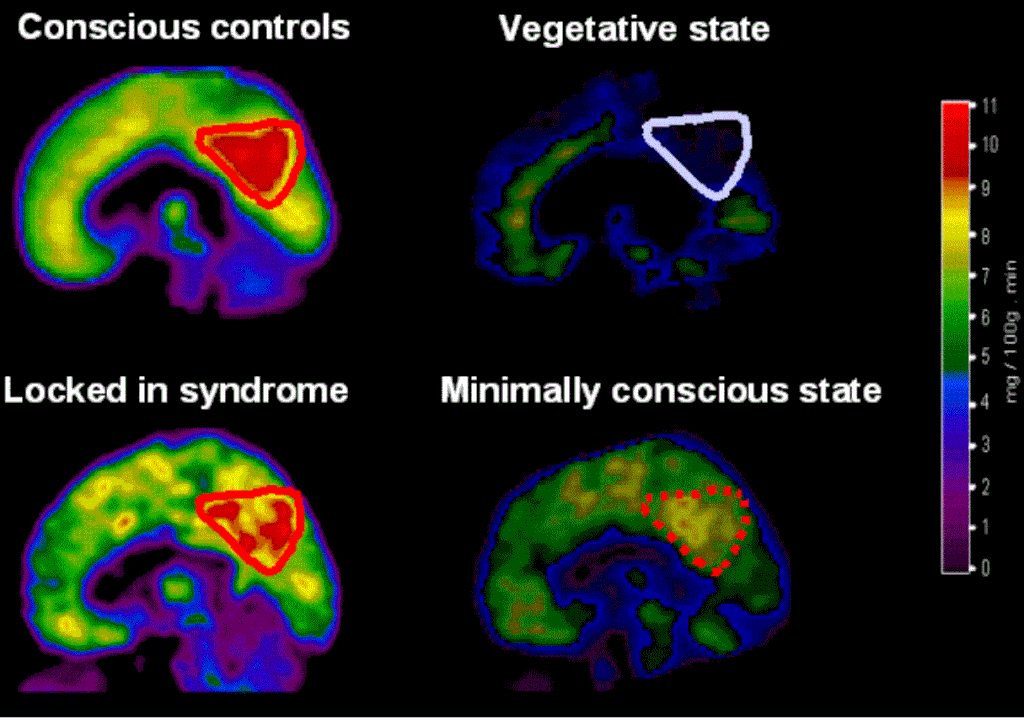
This is the second in a series of posts on Jonathan Birch's book, The Edge of Sentience. This one is on borderline cases of sentience in humans. Birch looks at cases involving humans with disorders of consciousness, such as those in vegetative or minimally conscious states, as well as fetuses, embryos, and neural organoids made … Continue reading The edge of sentience in humans
The semantic indeterminacy of sentience
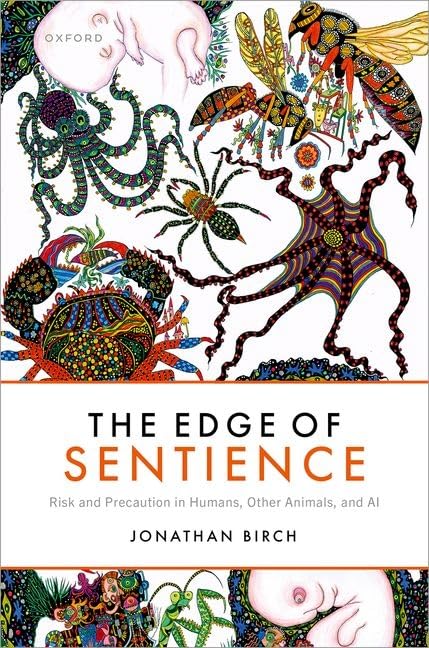
I'm currently reading Jonathan Birch's The Edge of Sentience, a book focusing on the boundary between systems that can feel pleasure or pain, and those that can't, and the related ethics. While this is a subject I'm interested in, I'm leery of the activism the animal portions of it attract. I have nothing in particular … Continue reading The semantic indeterminacy of sentience
Classic and connectionist computationalism
Spurred by a couple of recent conversations, I've been thinking about computation in the brain. It was accelerated this week by the news that the connectome of the fly brain is complete, a mapping of its 140,000 neurons and 55 million synapses. It's a big improvement over the 302 neurons of the C. Elegans worm, … Continue reading Classic and connectionist computationalism
Experience and behavior
Is studying conscious experience different from studying behavior? In a number of recent conversations I've had, the distinction between experience and behavior has come up. There's a strong sentiment that we can study behavior scientifically, including all the intermediate mental states that enable it. But experience is seen as something distinct from that, something that … Continue reading Experience and behavior
Illusionism and functionalism
In the last thread, someone asked what exactly is it about consciousness that illusionists say is illusory? One quick answer is that for illusionists, the properties people see in experience that incline us to think that consciousness is a metaphysically hard problem, are what's illusory. In weak illusionism, the properties aren't what they seem. In … Continue reading Illusionism and functionalism
Illusionism and types of physicalism
Can we in principle ever deduce the mental from the physical? Christopher Devlin Brown and David Papineau have a new paper out in the Journal of Consciousness Studies titled: Illusionism and A Posteriori Physicalism; No Fact of the Matter. (Note: the link is to a free version.) As the title makes clear, the overall gist … Continue reading Illusionism and types of physicalism
Entropy transformers
What is the relationship between information, causation, and entropy? The other day, I was reading a post from Corey S. Powell on how we are all ripples of information. I found it interesting because it resonated with my own understanding of information (i.e. it flattered my biases). We both seem to see information as something … Continue reading Entropy transformers
The scope of free will
Maybe the free will debate is really about the scope of causal influences on our decisions. With Daniel Dennett's death, a lot of podcasters have been replaying his interviews, many of which concern his stance as a free will compatibilist. That and a recent Mind Chat episode focused on Kevin Mitchell's strong emergence understanding of … Continue reading The scope of free will