Can we know if we’re in a simulation?

The Matrix code in green

I'm currently making my way through David Chalmers' new book: Reality+: Virtual Worlds and the Problems of Philosophy. Chalmers explores the simulation hypothesis, using it as a portal into a wide ranging selection of philosophical issues, including discussions on God, information theory, structuralism, and a lot of other topics I haven't gotten to yet. His … Continue reading Can we know if we’re in a simulation?

Anil Seth’s theory of consciousness

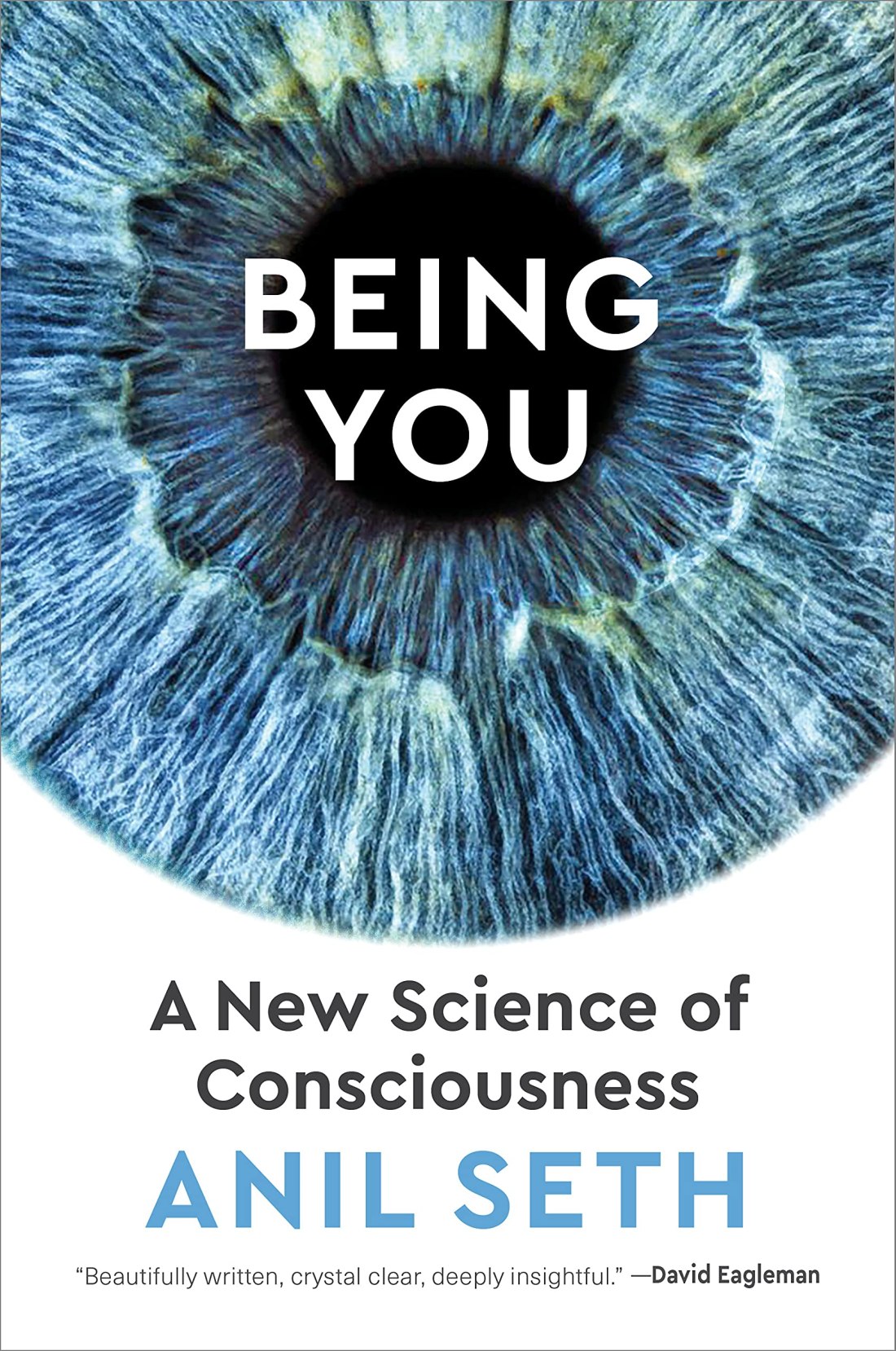
I recently completed Anil Seth's new book, Being You: A New Science of Consciousness. Seth starts out discussing David Chalmers' hard problem of consciousness, as well as views like physicalism, idealism, panpsychism, and functionalism. Seth is a physicalist, but is suspicious of functionalism. Seth makes a distinction between the hard problem, which he characterizes as … Continue reading Anil Seth’s theory of consciousness

What philosophers believe, 2020 edition

Back in 2009, David Bourget and David Chalmers conducted a survey of professional philosophers, asking for their positions on 40 questions. Over the years, a number of people have pointed out the existence of that survey. While I don't think anyone should change their position purely based on what large numbers of philosophers think, it's … Continue reading What philosophers believe, 2020 edition

Some words might simply no longer be productive for precise conversations

Moses holding the Ten Commandments

Ronnie de Souza has an interesting article at Aeon on why he thinks the concept of morality isn't helpful. His overall thesis is that the idea that there are things that are right or wrong without qualification, in and of itself, adds nothing useful to the conversation. We can find reasons why or why not … Continue reading Some words might simply no longer be productive for precise conversations