Why I’m an ontic structural realist

Scientific realism vs instrumentalism A long standing debate in the philosophy of science is about what our best scientific theories tell us. Some argue that they reveal true reality, that is, they are real. Others that scientific theories are only useful prediction frameworks, instruments useful in the creation of technology, but that taking any further … Continue reading Why I’m an ontic structural realist

Is it just the math?

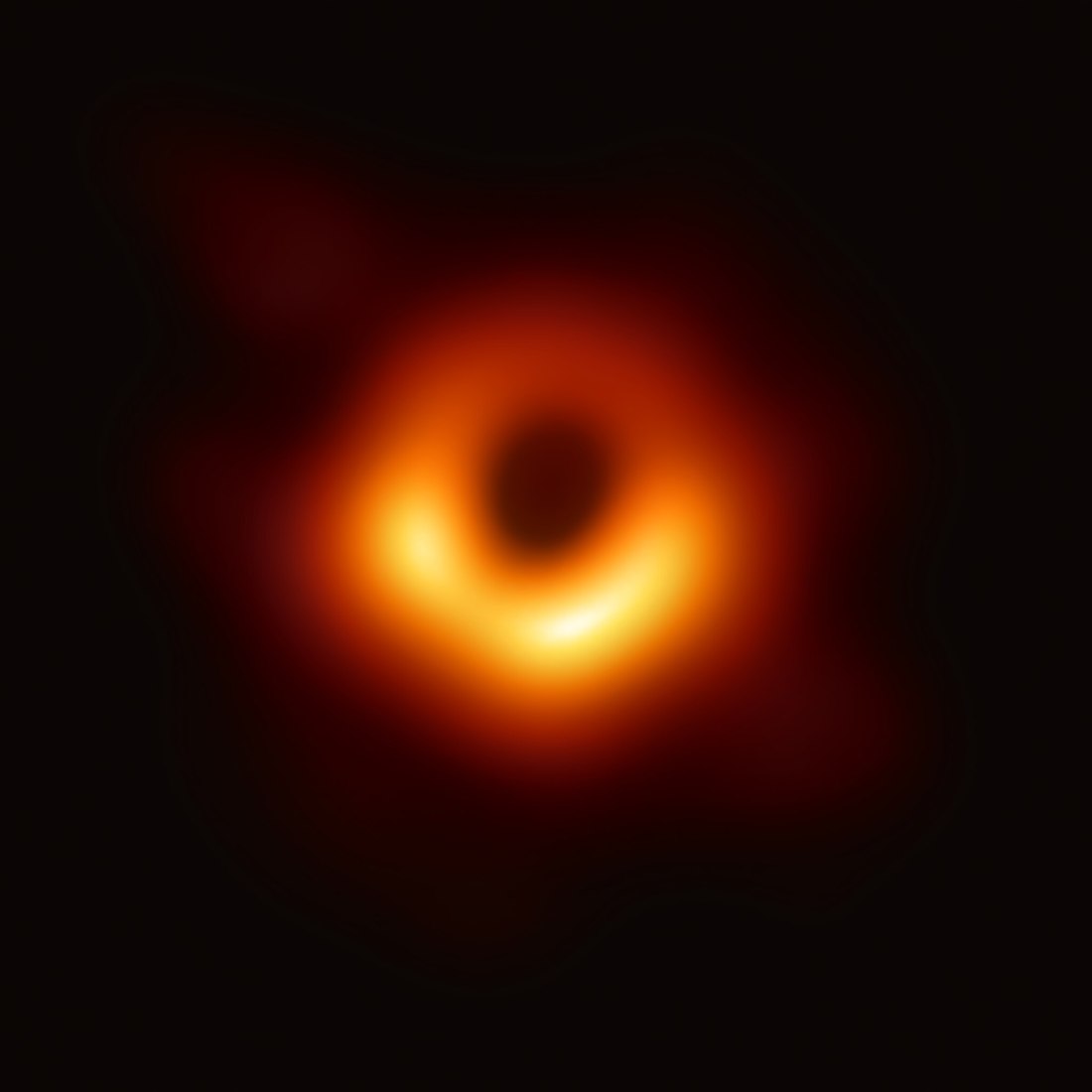
Black hole - Messier 87, a dark center surrounded by the light of an accretion disk

Scientific breakthroughs often begin with someone saying, "Don't panic. This crazy sounding assumption is just to make the math work." Nicholaus Copernicus, when he developed his theory of heliocentrism (the earth orbits the sun), was operating from a scientific realist view. In other words, he thought his system reflected actual reality, or at least reflected it … Continue reading Is it just the math?

Information, computation, and reality

David Chalmers in his book: : Reality+: Virtual Worlds and the Problems of Philosophy, has a discussion on information and reality. He identifies different types of information: semantic, structural, and symbolic. Semantic information is what we colloquially think of as information, it's the patterns that tell someone or something about reality. A map of a city … Continue reading Information, computation, and reality

Structural realism, a way to be a scientific realist?

In the scientific realism vs instrumentalism debate, realism is the position that the elements of a scientific theory represent reality. So when general relativity talks about space warping, space really is warping. Instrumentalism, or anti-realism, is the stance that scientific theories are just prediction mechanisms, with no guarantee that they represent reality. Under instrumentalism, general … Continue reading Structural realism, a way to be a scientific realist?