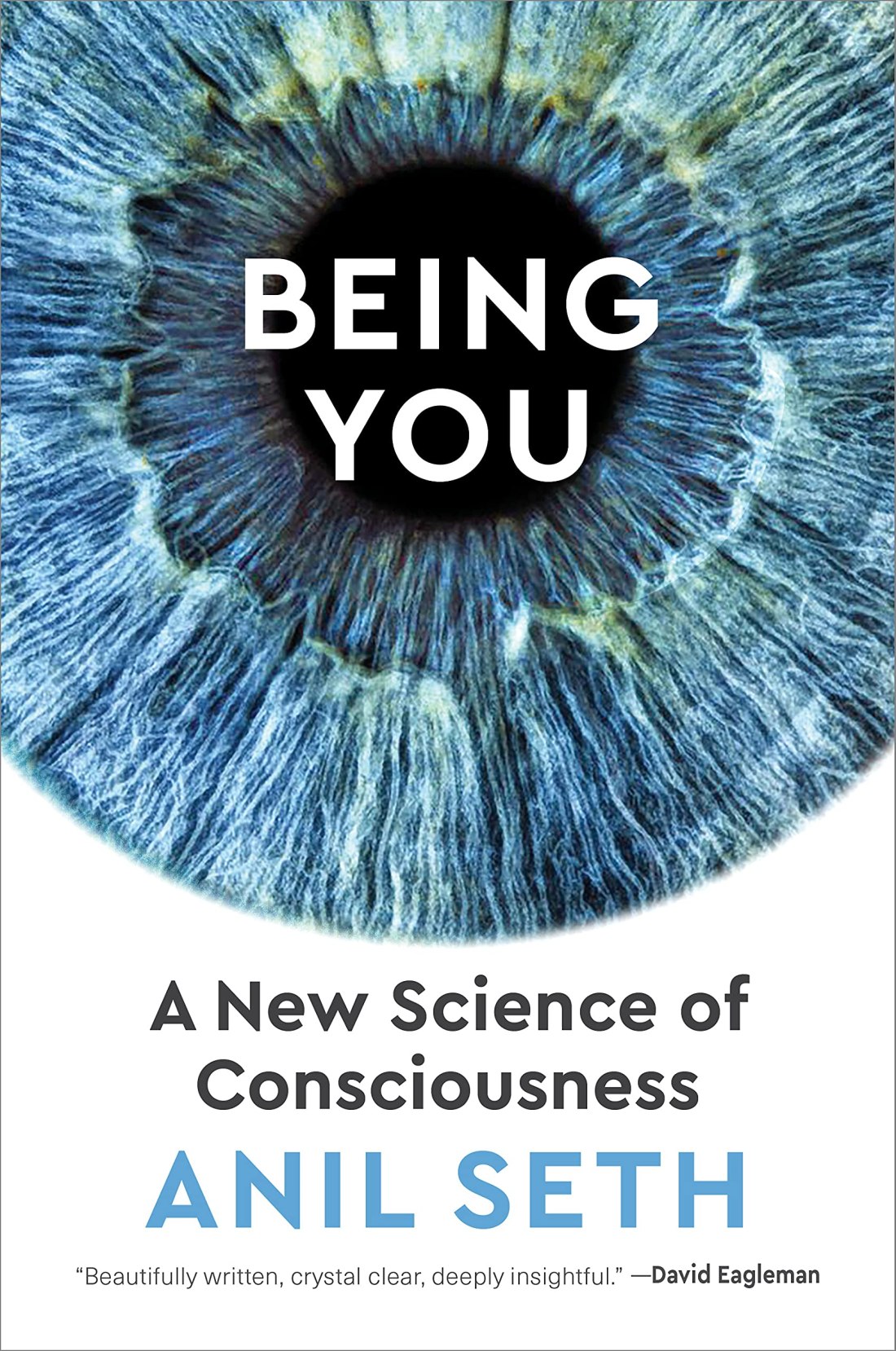
I recently completed Anil Seth's new book, Being You: A New Science of Consciousness. Seth starts out discussing David Chalmers' hard problem of consciousness, as well as views like physicalism, idealism, panpsychism, and functionalism. Seth is a physicalist, but is suspicious of functionalism. Seth makes a distinction between the hard problem, which he characterizes as … Continue reading Anil Seth’s theory of consciousness
Hit-Monkey
Okay, this is a bit different. Bryce is a very talkative assassin hired by a Japanese crime boss to kill a reform minded candidate for prime minister. Bryce succeeds in that assassination, to the horror of the country. But he's then betrayed by the crime boss. He escapes, but find himself badly wounded and alone … Continue reading Hit-Monkey
Arcane: League of Legends
It's been a long time since I've been much of a game player, so I'm not familiar with the League of Legends game, or its overall story universe. But apparently the game developers have put together a rich lore and history behind it, and some of that is starting to come out in various franchised … Continue reading Arcane: League of Legends
What philosophers believe, 2020 edition
Back in 2009, David Bourget and David Chalmers conducted a survey of professional philosophers, asking for their positions on 40 questions. Over the years, a number of people have pointed out the existence of that survey. While I don't think anyone should change their position purely based on what large numbers of philosophers think, it's … Continue reading What philosophers believe, 2020 edition
Would aliens or AI have religion?
The new Dune movie has reminded me of that franchise's vision of future religions. So I was probably more primed than usual to notice a brief article asking if aliens would be religious. The author, Dirk Schulze-Makuch, invokes the Copernican principle to conclude that they likely would be. After all, most humans are religious to … Continue reading Would aliens or AI have religion?
Reconciling the disorder definition of entropy
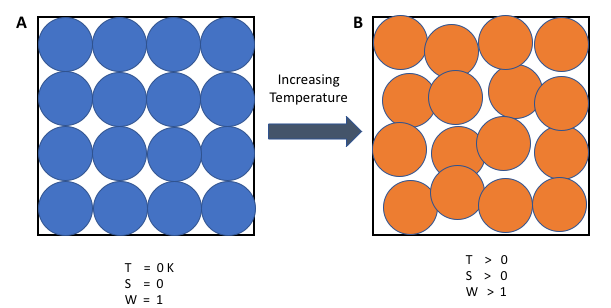
In last week's post on entropy and information, I started off complaining about the most common definition of entropy as disorder or disorganization. One of the nice things about blogging is you often learn something in the subsequent discussion. My chief complaint about the disorder definition was that it's value-laden. I asked: disordered according to … Continue reading Reconciling the disorder definition of entropy
Dune: Part One
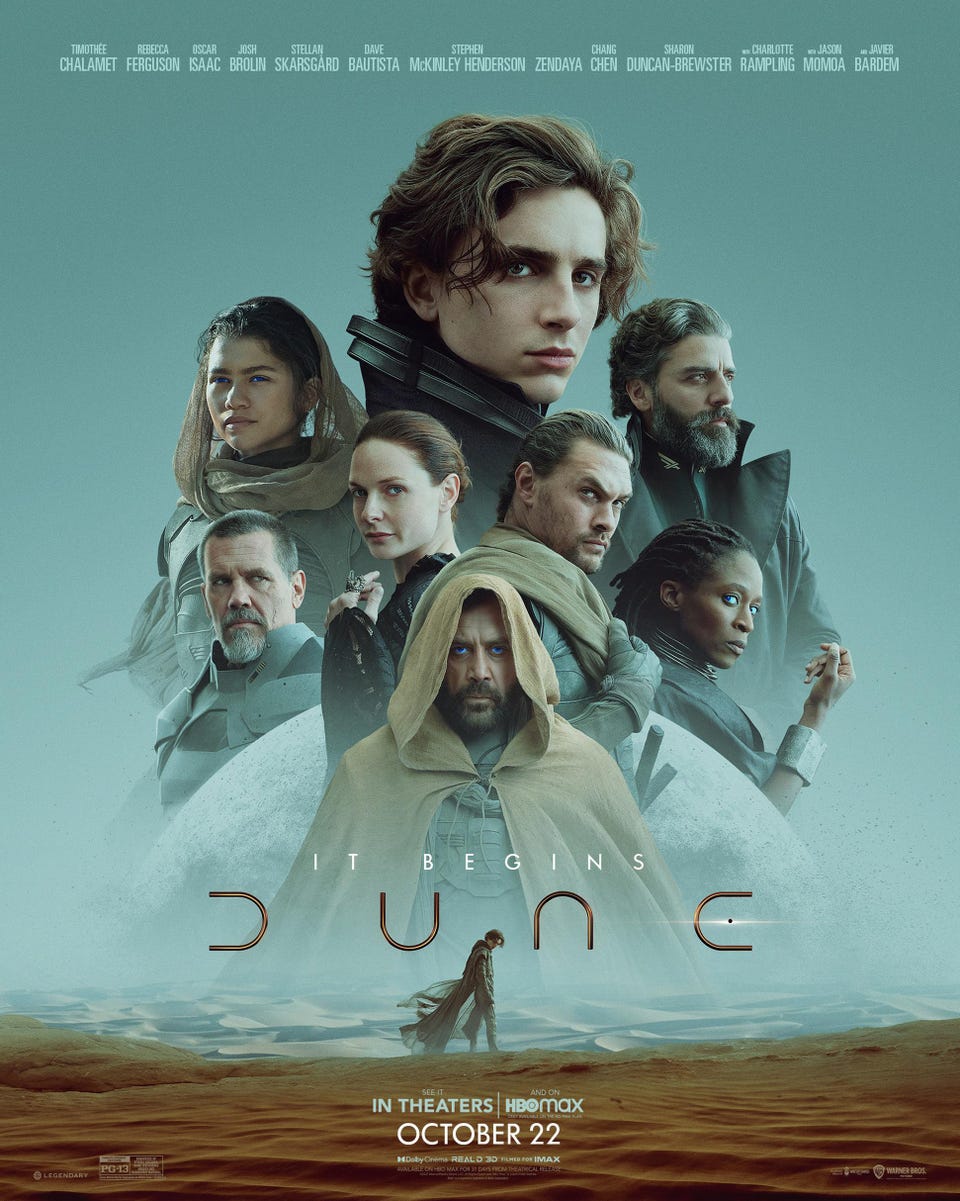
Frank Herbert's novel: Dune, is the epitome of classic science fiction. It's widely regarded as one of the best science fiction novels ever written, if not the best. The story takes place roughly 20,000 years in the future, in an interstellar feudal society. 10,000 years earlier, humanity underwent a religious movement that made computers and … Continue reading Dune: Part One
Entropy, information, and causality
I've long struggled with the concept of entropy. Part of the reason is the way it's often described in popular science accounts, which typically seem subjective and value laden. The most common way of describing it is the amount of disorder in a system. But disorder according to who? A room that appears messy and … Continue reading Entropy, information, and causality
The Writer Files
As many of you know, I spend a good amount of time listening to podcasts while on daily walks. Over the years, I've highlighted some writing podcasts, notably Writing Excuses and the Odyssey Writing Workshops. But these are oriented toward science fiction and fantasy writing. Recently I discovered Kelton Reid's The Writer Files, a podcast … Continue reading The Writer Files
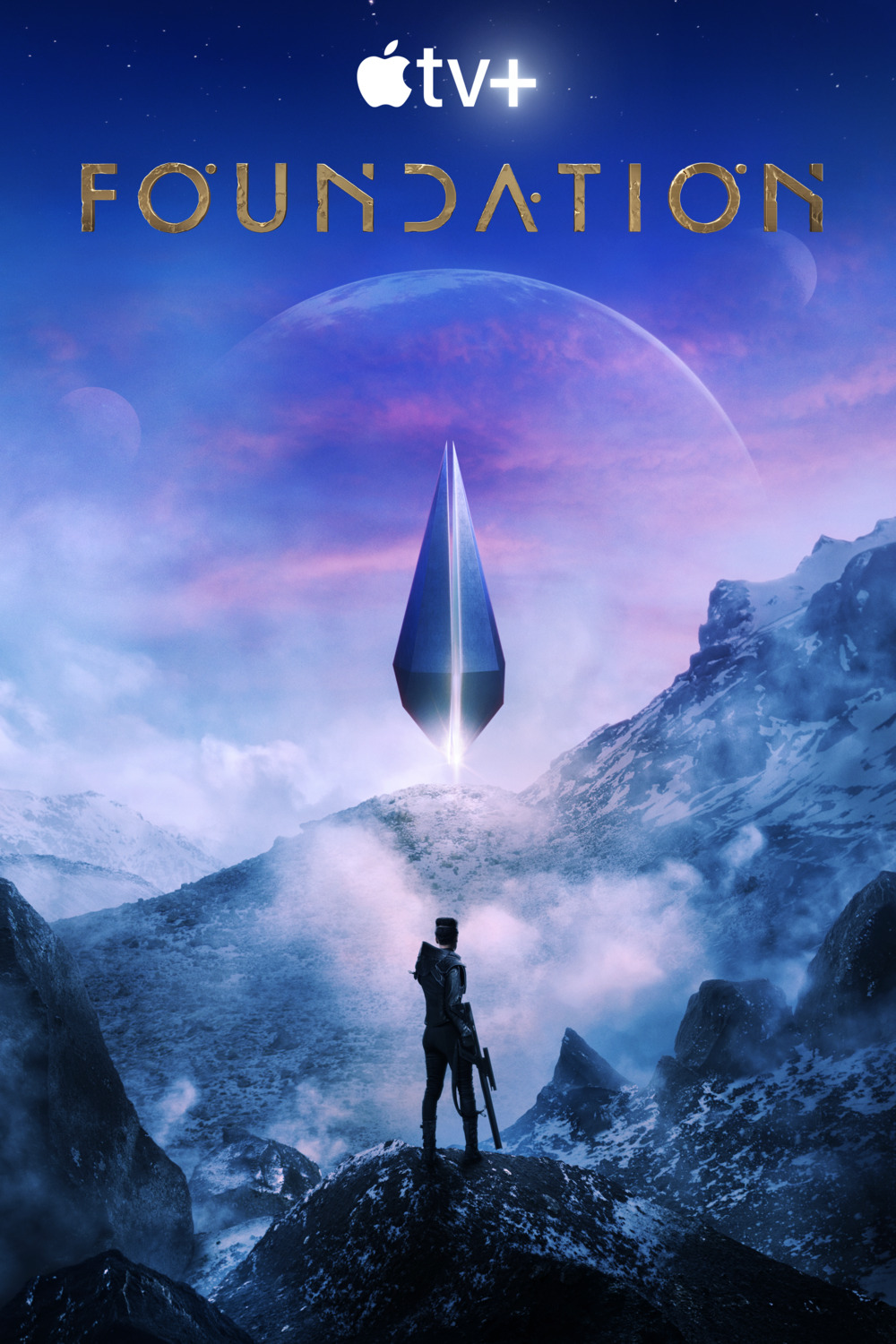
Foundation
I've been watching the new Apple TV+ series Foundation, but wanted to get a few episodes in before commenting. This is an adaptation of Isaac Asimov's classic Foundation book series. In that series, set in the far future (20,000 years), a vast galactic empire rules the entire galaxy. Hari Seldon is a mathematician who has … Continue reading Foundation