The semantic indeterminacy of sentience
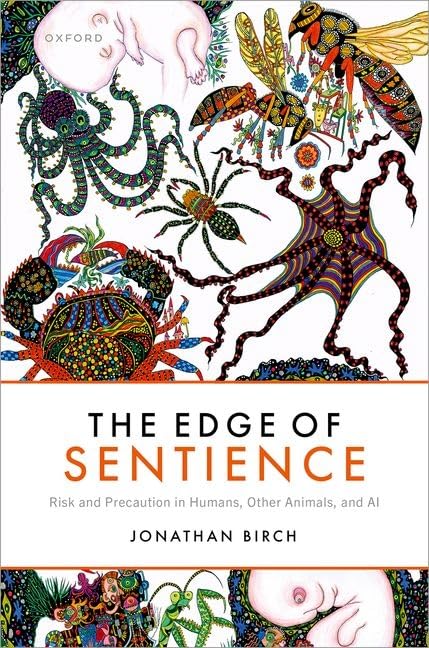
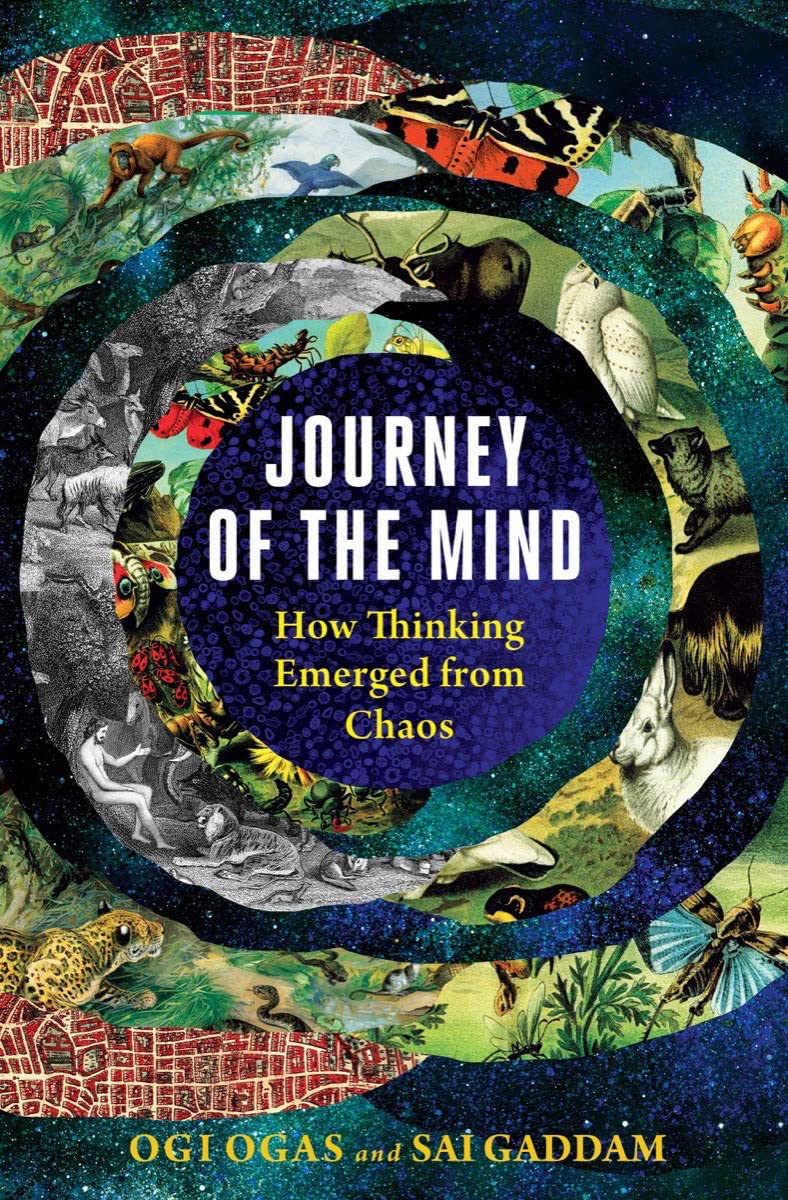
Cover of the book "The Edge Of Sentience" showing a wide variety of animals.

I'm currently reading Jonathan Birch's The Edge of Sentience, a book focusing on the boundary between systems that can feel pleasure or pain, and those that can't, and the related ethics. While this is a subject I'm interested in, I'm leery of the activism the animal portions of it attract. I have nothing in particular … Continue reading The semantic indeterminacy of sentience

The specificity problem

Picture of a lancelet

Henry Shevlin has an interesting paper from 2021 in Mind & Language that just went open access: Non-human consciousness and the specificity problem: A modest theoretical proposal. Shevlin discusses the problem of applying cognitive theories of consciousness, developed within the context of human psychology, to non-human systems, such as animals or artificial systems. For example, … Continue reading The specificity problem

The benefits of functionalism for animal welfare

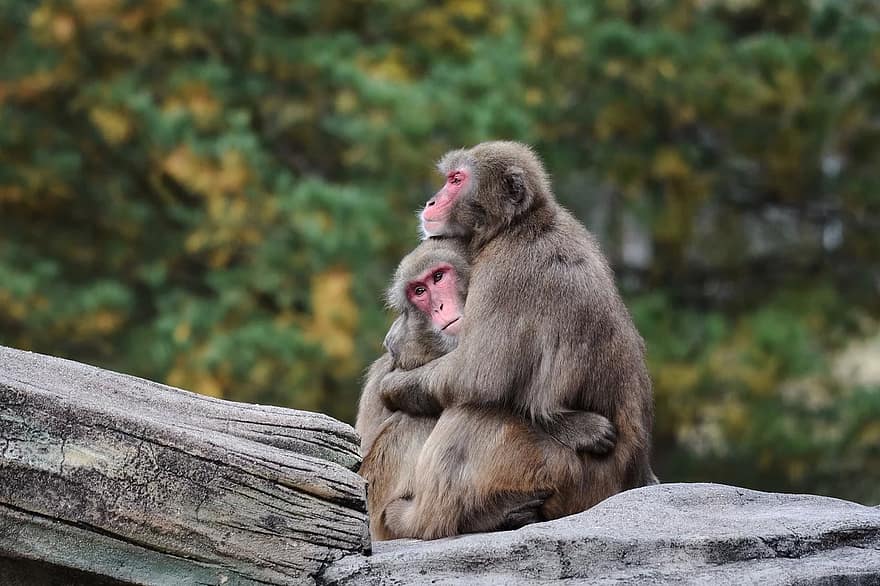
Last week, Science News had an article about the difficulty of studying animal emotions, on understanding what an animal in a particular situation is really feeling. It's an interesting article, although not one with much new information for many of you. However, I want to focus on one point raised by one of the researchers … Continue reading The benefits of functionalism for animal welfare

The consciousness of crows

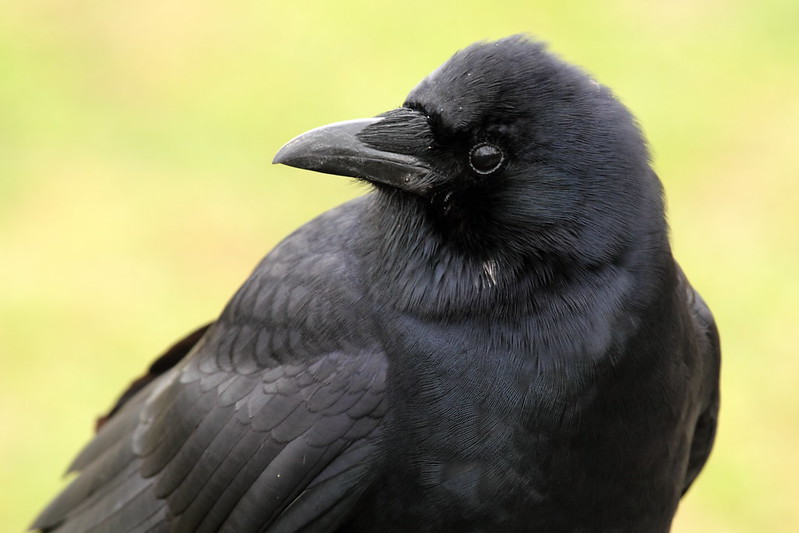
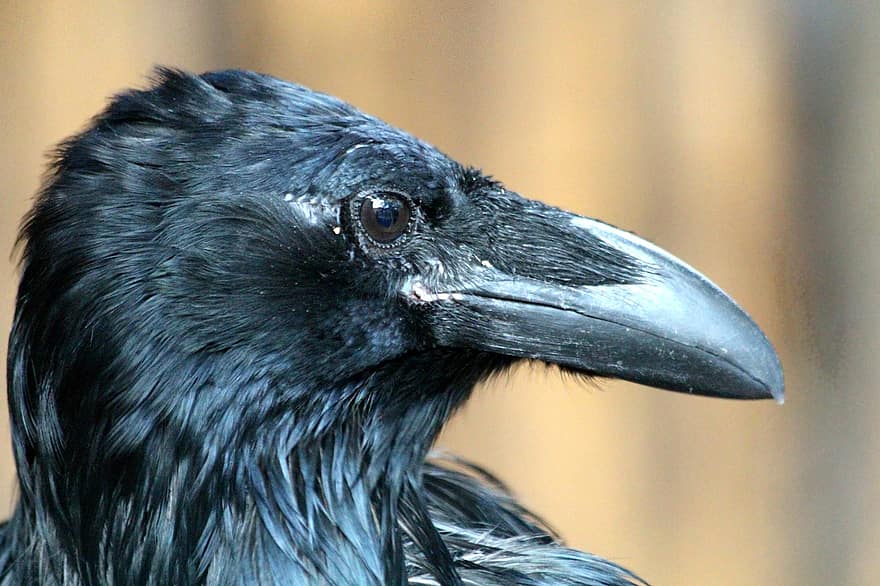
Last week, Science Magazine published an interesting study on bird consciousness: A neural correlate of sensory consciousness in a corvid bird.  The study conducted an experiment where crows were trained to respond to a sensory stimulus.  The stimulus itself could be at the threshold of perceptibility, above that threshold, or missing.  After the stimulus (or … Continue reading The consciousness of crows

The facilitation hypothesis

Jonathan Birch has an interesting paper in Noûs: The search for invertebrate consciousness.  Birch notes that there is no consensus on whether any invertebrates are conscious, and no agreement on a methodology for establishing whether they are. He starts off assessing the difficulties of applying many human centric theories, such as global workspace, which don't … Continue reading The facilitation hypothesis

Dimensions of animal consciousness

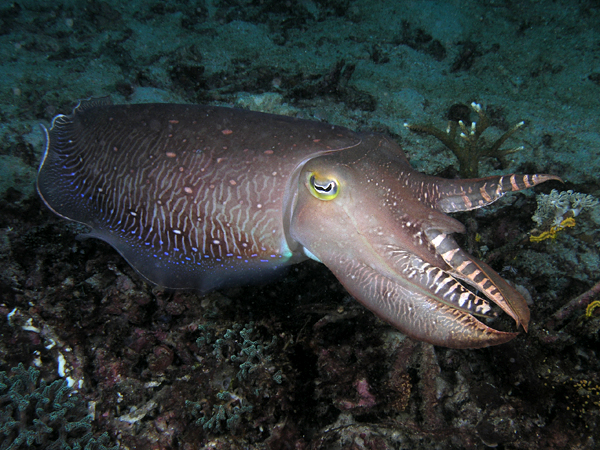
The journal, Trends in Cognitive Science, has an interesting paper up: Dimensions of Animal Consciousness.  After noting the current consensus that some form of consciousness is present in at least mammals, birds, and cephalopods, it looks at how to evaluate it in various species.  The authors take the position that consciousness can be present in … Continue reading Dimensions of animal consciousness