The unity of storage and processing in nervous systems

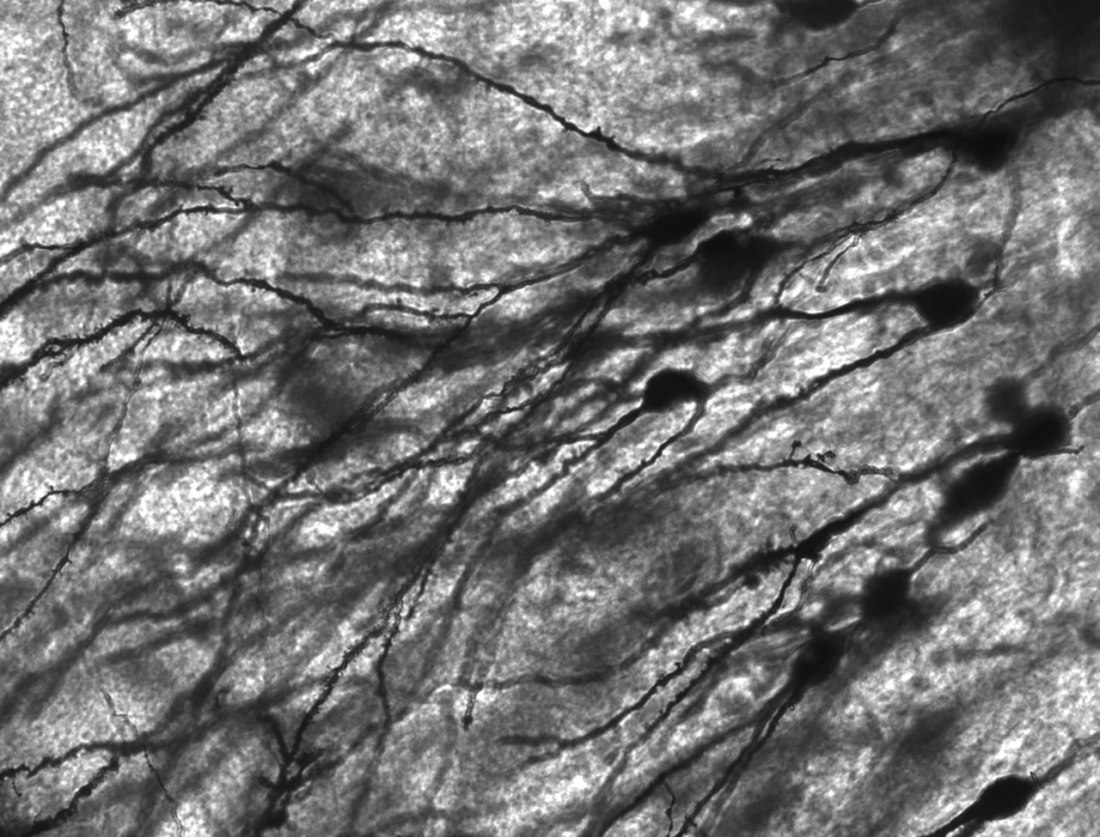
Image of Golgi stained neurons in the dentate gyrus of an epilepsy patient.

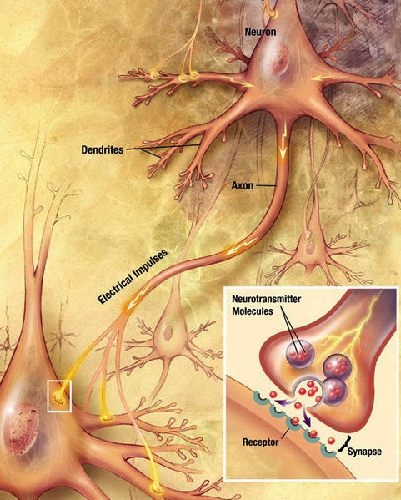
I think the brain is a computational system and what we generally refer to as the mind and consciousness are some of its computations. But I'm also aware that the brain works very differently from how a typical digital computer works. One criticism of computationalism that I have some sympathy with is the word "computation" … Continue reading The unity of storage and processing in nervous systems

Q&A on the Mind Object Identity hypothesis

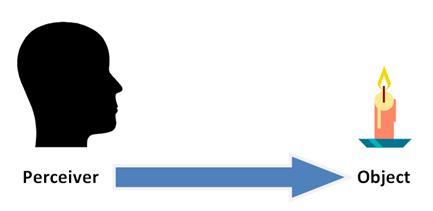
A perceiver and an external object, a candle.

I recently did a post on Riccardo Manzotti’s interesting IAI article: There is no problem of consciousness (warning: possible paywall). In that article, Manzotti described his Mind Object Identity hypothesis. He also published a paper on this idea in 2019, which goes into much more detail. A quick recap. We make a mistake, he argues, in trying to … Continue reading Q&A on the Mind Object Identity hypothesis

Attention and consciousness

I noted in the post on Susan Blackmore's views that often consciousness get associated with the results of one of three processes: perception, attention, or introspection. Interestingly, while everyone and their brother has a book out on consciousness, attention receives far less... attention. At least in the popular press. The science of attention has a … Continue reading Attention and consciousness

Graziano’s non-mystical approach to consciousness

Someone called my attention to a new paper by Michael Graziano: A conceptual framework for consciousness. I've highlighted Graziano's approach and theory many times over the years. I think his Attention Schema Theory provides important insights into how top down attention works. But it's his overall approach that I find the most value in. He's … Continue reading Graziano’s non-mystical approach to consciousness

Anil Seth’s theory of consciousness

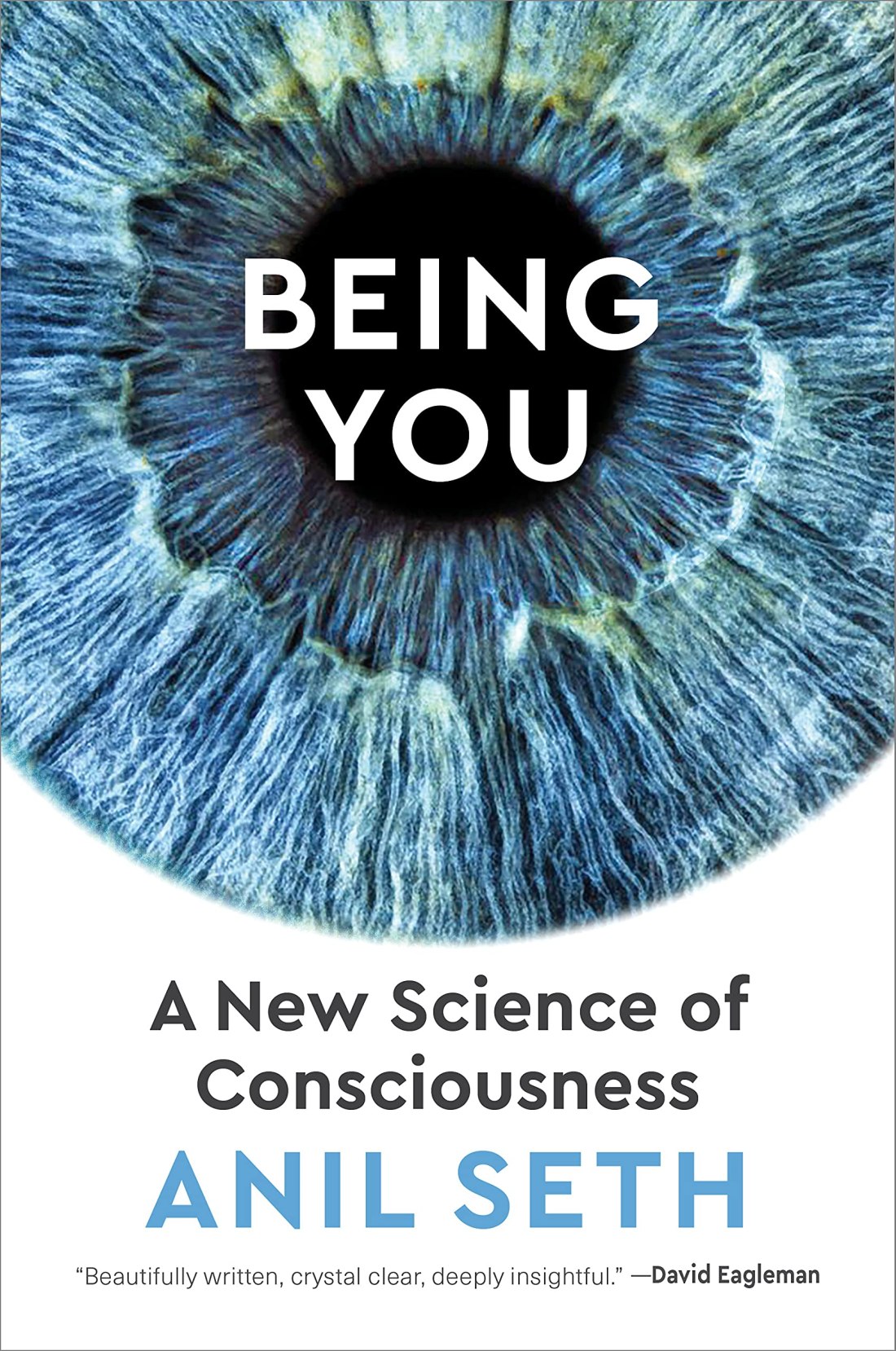
I recently completed Anil Seth's new book, Being You: A New Science of Consciousness. Seth starts out discussing David Chalmers' hard problem of consciousness, as well as views like physicalism, idealism, panpsychism, and functionalism. Seth is a physicalist, but is suspicious of functionalism. Seth makes a distinction between the hard problem, which he characterizes as … Continue reading Anil Seth’s theory of consciousness

Sources of information on neuroscience

It's been a while since I listed good sources to learn about neuroscience and the brain. I think anyone interested in consciousness and the mind should get a grounding in the basics. It's a bit of work, but the introductory accounts aren't anything unmanageable for someone who can parse philosophically dense material. And it enables … Continue reading Sources of information on neuroscience

Perceptions are dispositions all the way down

(Warning: neuroscience weeds) Some years ago, I reviewed Antonio Damasio's theory of consciousness, based on his book, Self Comes to Mind. (He has a newer book, The Strange Order of Things, which I haven't read yet, so this may not represent his most current views.) In that book, Damasio makes a distinction between two types … Continue reading Perceptions are dispositions all the way down