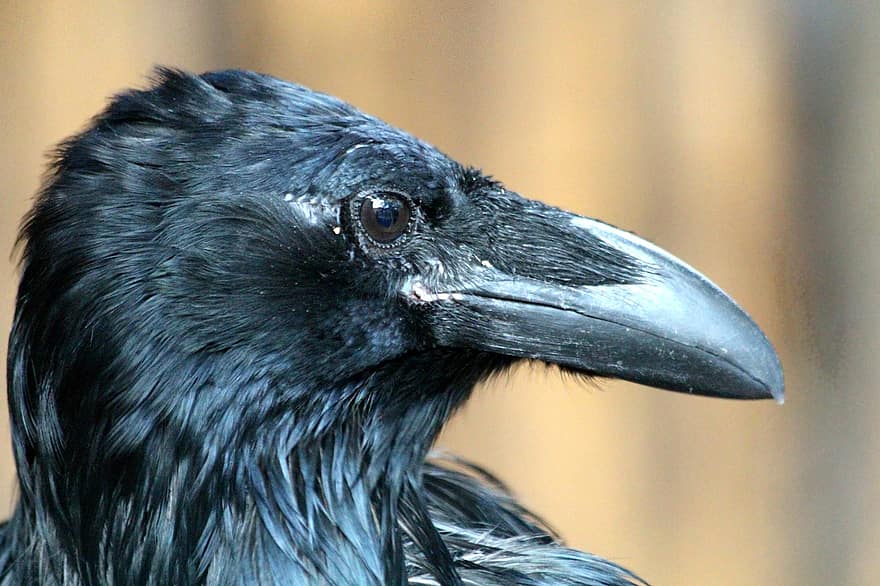
The journal, Trends in Cognitive Science, has an interesting paper up: Dimensions of Animal Consciousness. After noting the current consensus that some form of consciousness is present in at least mammals, birds, and cephalopods, it looks at how to evaluate it in various species. The authors take the position that consciousness can be present in … Continue reading Dimensions of animal consciousness

Tag: Brain
The complex composition of pain
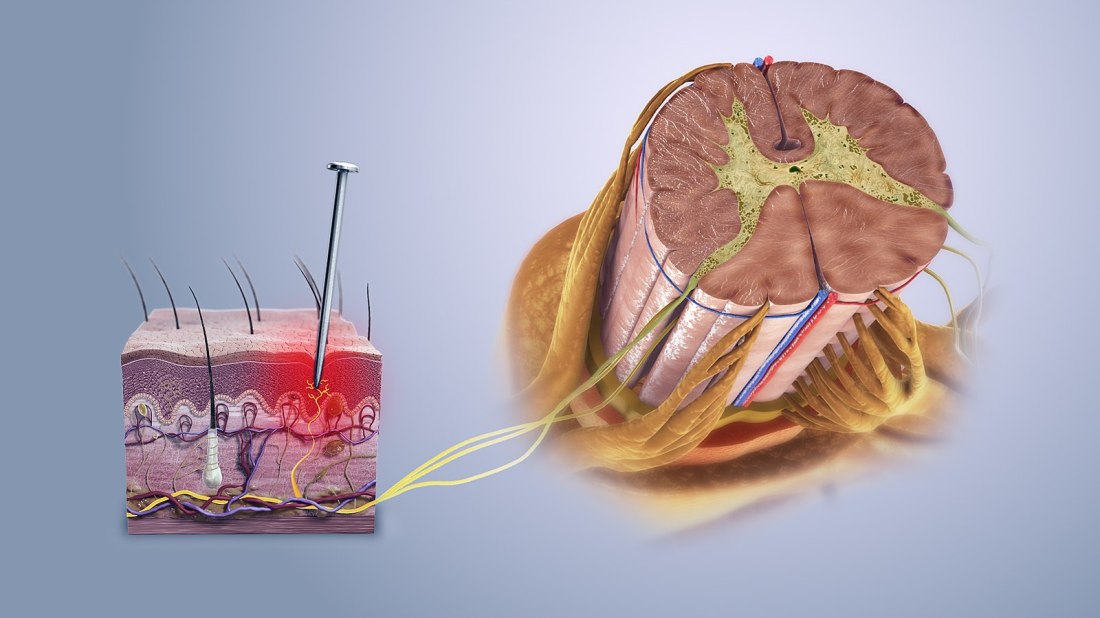
When I was very young, the top of my feet started itching, so I started scratching. The itching continued for weeks and months, with me constantly scratching. My poor mother, seeing my red and scratched feet, implored me to stop. But the itching was relentless and I was maybe five or six, so I kept … Continue reading The complex composition of pain
The substitution argument
A preprint came up a few times in my feeds, titled: Falsification and consciousness. The paper argues that all the major scientific theories of consciousness are either already falsified or unfalsifiable. One neuroscientist, Ryota Kanai, calls it a mathematical proof of the hard problem. Based on that description, it was hard to resist looking at … Continue reading The substitution argument
Hard criteria for theories of consciousness?
(Warning: consciousness theory weeds.) A new paper in the journal Cognitive Neuroscience: Hard criteria for empirical theories of consciousness, takes a shot at proposing criteria for assessing scientific theories of consciousness. The authors make clear at the beginning that they're aiming their criteria at empirical theories, rather than metaphysical ones. So they make no attempt … Continue reading Hard criteria for theories of consciousness?
Kurzgesagt on intelligence, and prospects for engineered intelligence
It's pretty nice to see Kurzgesagt finally continuing its "Big Questions of Life and the Universe" series. I shared the first part on consciousness over a year go. The series is funded by the Templeton Foundation, which I know many people have issues with, but so far the content has been reasonably scientific. https://www.youtube.com/watch?v=ck4RGeoHFko As … Continue reading Kurzgesagt on intelligence, and prospects for engineered intelligence
There is no phenomenality without access
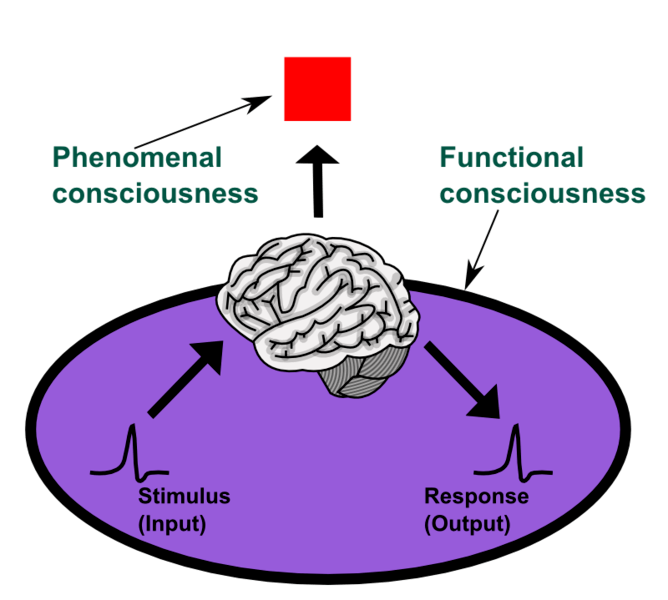
How do we know whether any particular system is conscious? In humans, we typically know because most humans can talk about their conscious experience. Historically, if we can report on it, it's conscious; if we can't, it's in the unconscious. But this raises a difficulty for any entity that doesn't have language, including non-human animals, … Continue reading There is no phenomenality without access
Communication and hypothetical thinking
Keith Frankish has an interesting article at Psyche pondering what ability separates modern humanity from archaic humans (such as homo erectus). His vote is hypothetical thinking. From the article: The ability I mean is that of hypothetical thinking – the ability to detach one’s mind from the here and now, and consciously think about other … Continue reading Communication and hypothetical thinking
Are babies conscious?
Infant consciousness seems like a difficult question. It's one people often react to with outrage that it's even being asked. Of course they're conscious, is the sentiment. Aren't they human, and don't we see them crying, showing facial expressions, and exhibiting other behaviors? Others conclude that there's no real way to know since they can't … Continue reading Are babies conscious?
Assembly Calculus: the missing link between mind and brain?
Read any mainstream neuroscience book, and one of the things you'll typically see is an admission that while a lot is known about the operations of neurons and synapses, and a lot about high level signalling patterns in various brain regions, along with a good amount on how sensory processing happens in some regions (such … Continue reading Assembly Calculus: the missing link between mind and brain?
Attention and what we should expect from theories of the mind
Aeon, in their weekend newsletter, highlighted an old article from Carolyn Dicey Jennings on attention and the self. I recall reading this article when it was published, but apparently didn't share or discuss it, I suspect because I had mixed feelings about it. I still do. Consciousness scientists have a tendency to look at attention … Continue reading Attention and what we should expect from theories of the mind