Back in 2009, David Bourget and David Chalmers conducted a survey of professional philosophers, asking for their positions on 40 questions. Over the years, a number of people have pointed out the existence of that survey. While I don't think anyone should change their position purely based on what large numbers of philosophers think, it's … Continue reading What philosophers believe, 2020 edition
Tag: Quantum mechanics
Clarifying agnosticism
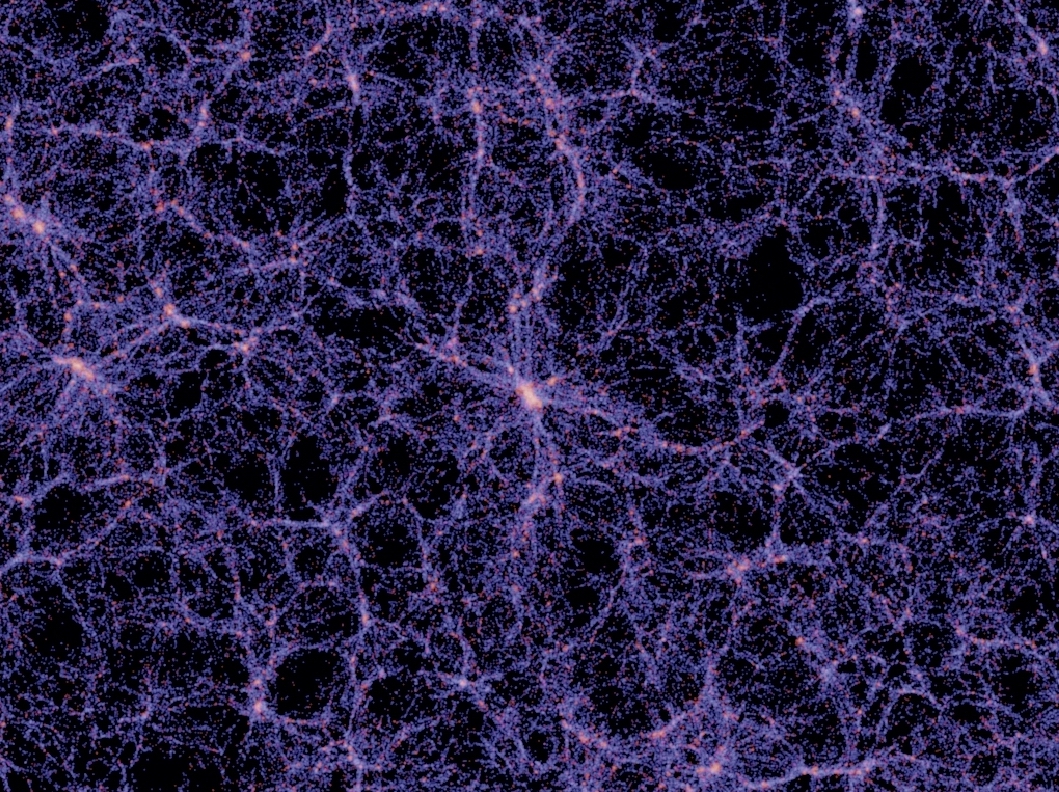
John Horgan recently wrote a column which has received a lot of attention. Horgan's thesis is that when it comes to three topics: the existence of God, the mind-body problem, and the measurement problem in quantum mechanics, science can't provide the answers and may never be able to. Horgan advises that the only responsible position … Continue reading Clarifying agnosticism
Carlo Rovelli’s Helgoland
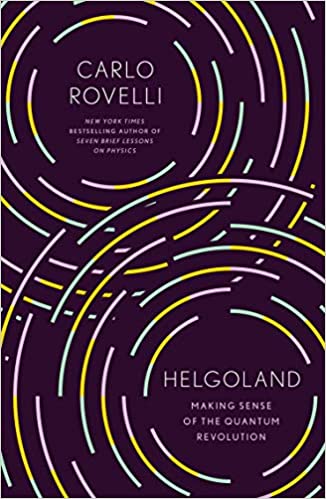
I've posted a lot over the years on interpretations of quantum mechanics. My writing has tended to focus on comparing the big three: Copenhagen, pilot-wave, and many-worlds. But there are a lot of others. One that has been gaining converts among physicists and others is Carlo Rovelli's relational quantum mechanics (RQM) interpretation. This is an … Continue reading Carlo Rovelli’s Helgoland
An instrumentalist Everettian
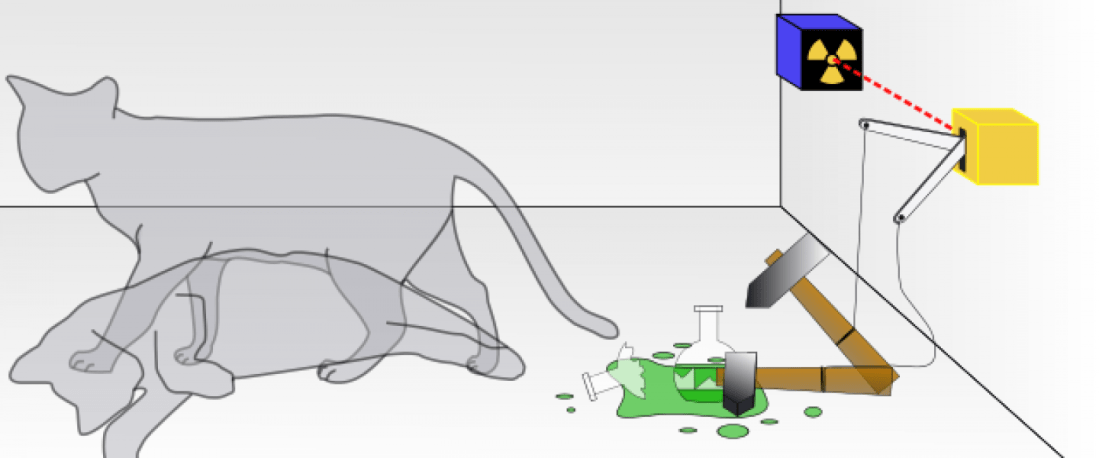
Scott Aaronson posted an interesting piece this week coming out about his favorite interpretation of quantum mechanics. I think the most relevant part is this snippet. (Although the full piece has a lot of nuance well worth reading.) I don’t mean to say that the interpretations are all interchangeable, or equally good or bad. If … Continue reading An instrumentalist Everettian
The nature of splitting worlds in the Everett interpretation
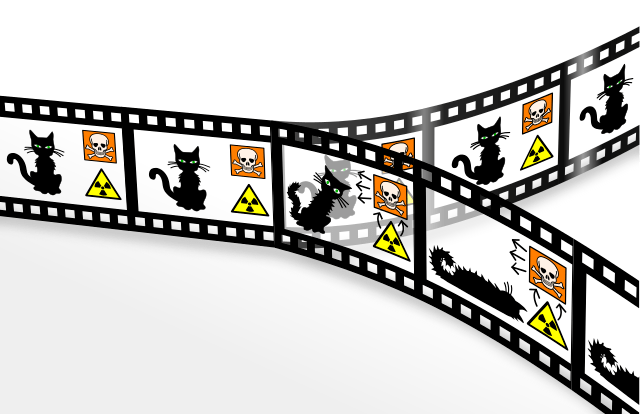
This post is about an aspect of the Everett many-worlds interpretation of quantum mechanics. I've given brief primers of the interpretation in earlier posts (see here or here), in case you need one. Sean Carroll, as he does periodically, did an AMA on his podcast. He got a number of questions on the Everett interpretation, … Continue reading The nature of splitting worlds in the Everett interpretation
Ars Technica’s series on quantum mechanics: How big is a particle?
A couple of weeks ago, I shared Ars Technica's first article in a series on quantum mechanics that promised to be math and philosophy free. So far, the author, Miguel Morales, has stuck to that promise. Today he published the third installment. This one focuses on the size of particle, and why that's far from … Continue reading Ars Technica’s series on quantum mechanics: How big is a particle?
Ars Technica has a new series on quantum mechanics (no math)
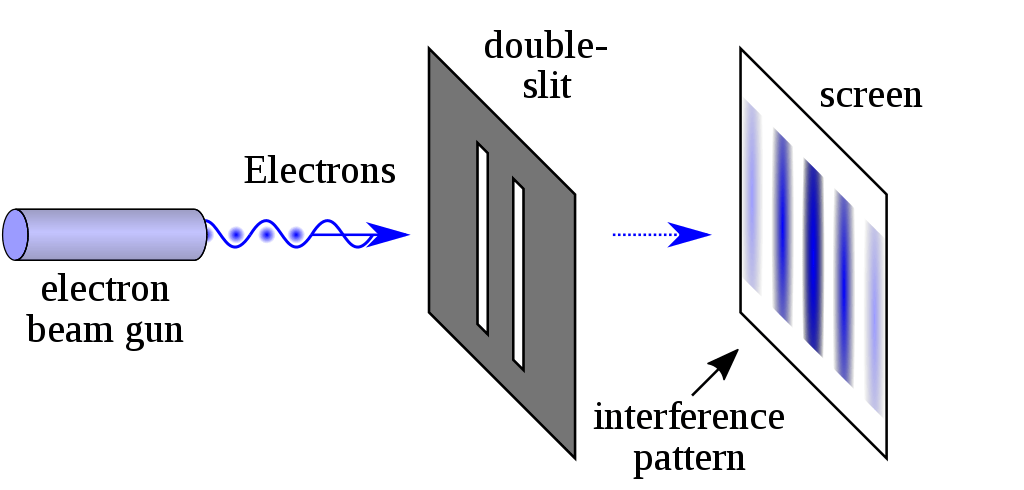
Miguel Morales at Ars Technica is beginning a new introductory guide on quantum mechanics, one he promises won't require any math. If you've watched some of us wrangle over the implications of QM and wondered just what the heck we were so worked up about, this looks like it will be a good series for … Continue reading Ars Technica has a new series on quantum mechanics (no math)
Mea culpa on quantum decoherence
Lately, I've been trying to gain a better understanding of quantum decoherence. This is the process of a quantum system in superposition interacting with the environment and, as a result, appearing to lose its quantum nature, notably by having interference between the elements of its superposition become undetectable. Decoherence is often used synonymously with the … Continue reading Mea culpa on quantum decoherence
The nature of quantum nonlocality
Quantum physics has been on my mind again lately, somewhat triggered by a recent conversation with Wyrd Smythe on his blog. I've always known quantum nonlocality has nuances, but stuff I read this week revealed some wrinkles I wasn't aware of. (Well, I was aware of them, but wasn't aware they pertained to nonlocality.) A … Continue reading The nature of quantum nonlocality
A PBS Space Time series on time and the block universe
Somewhat related to the previous post, I just saw this video from Matt O'Dowd discussing why the block universe is such a compelling concept. https://www.youtube.com/watch?v=EagNUvNfsUI&t=12s The second video in the series discusses the effect quantum mechanics might have on this concept. It reminds me why cosmologists seem to be more comfortable with the Many Worlds … Continue reading A PBS Space Time series on time and the block universe
 SelfAwarePatterns