Jim Al-Khalili has an article at OpenMind attacking Occam's razor, at least in the form it's typically articulated, that the simplest explanation should be preferred. Al-Khalili correctly points out that there are a lot of problems with that version of the principle. Simply preferring the explanation we think is the simplest is often just favoring … Continue reading Don’t throw out Occam’s razor just yet
Tag: Science
A way to understand quantum computing
The other day I shared a video on quantum computing, which I thought was informative, but the feedback I received is that it wasn't for anyone not already versed in the subject. Since I once struggled to understand this subject myself, I tried to think of a way of describing it that would actually help. … Continue reading A way to understand quantum computing
Universal functionalism
In one of the final chapters of his book: Reality+: Virtual Worlds and the Problems of Philosophy, David Chalmers asks, have we fallen from the Garden of Eden? "Eden" in this case is a metaphor for living in a world where everything is as it seems, matching our pre-theoretical view of reality. In Eden, everything exists … Continue reading Universal functionalism
Complex life may be more rare in the universe than we thought
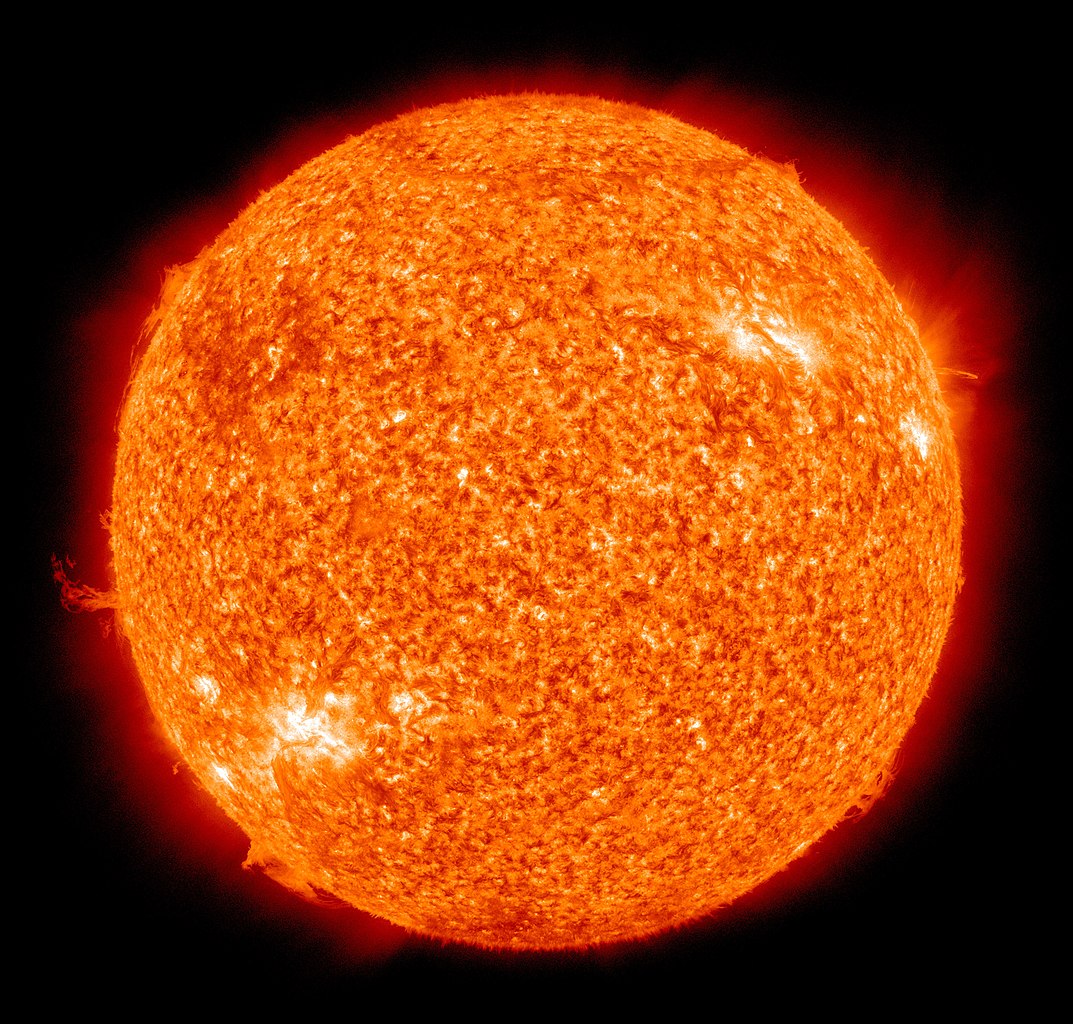
Quanta has a pretty interesting article up today: A Solution to the Faint-Sun Paradox Reveals a Narrow Window for Life. Our understanding of the physics of the sun indicate that it should have been only 70% as bright as it is today. But if so, early Earth should have been a snowball not really capable … Continue reading Complex life may be more rare in the universe than we thought
The entanglements and many worlds of Schrödinger’s cat
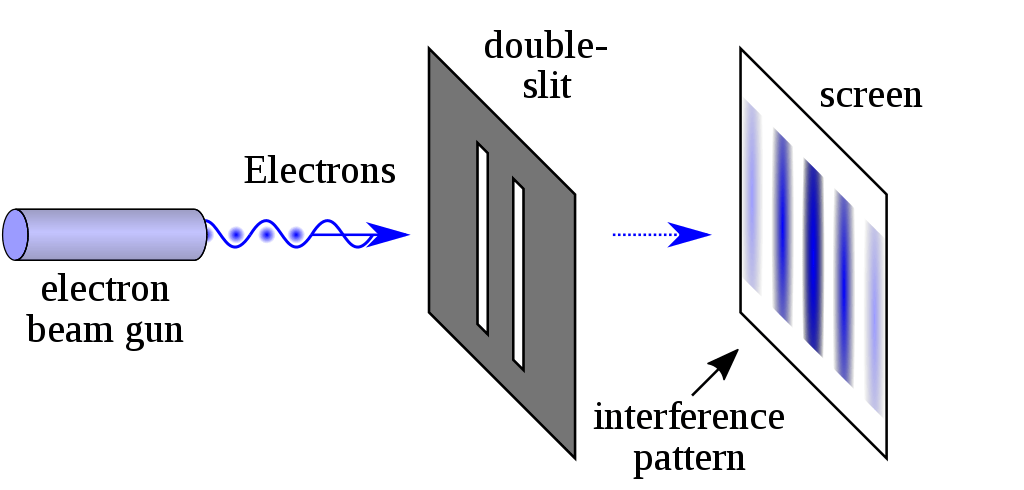
I recently had a conversation with someone, spurred by the last post, that led to yet another description of the Everett many-worlds interpretation of quantum mechanics, which I think is worth putting in a post. It approaches the interpretation from a different angle than I've used before. As mentioned last time, the central mystery of … Continue reading The entanglements and many worlds of Schrödinger’s cat
Superdeterminism and the quandaries of quantum mechanics
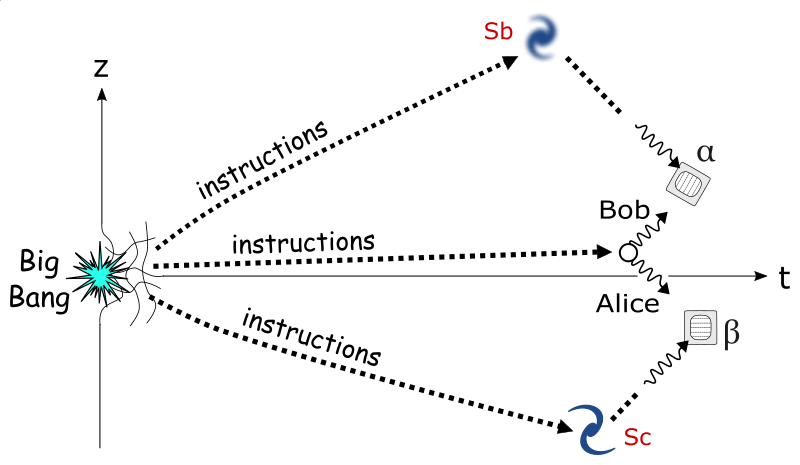
Last week, Sabine Hossenfelder did a video and post which was interesting (if a bit of a rant at times at strawmen) in which she argued for a little considered possibility in quantum mechanics: superdeterminism. In 1935, Einstein and collaborators published the famous EPR paradox paper, in which they pointed out that particles that were … Continue reading Superdeterminism and the quandaries of quantum mechanics
Anil Seth’s theory of consciousness
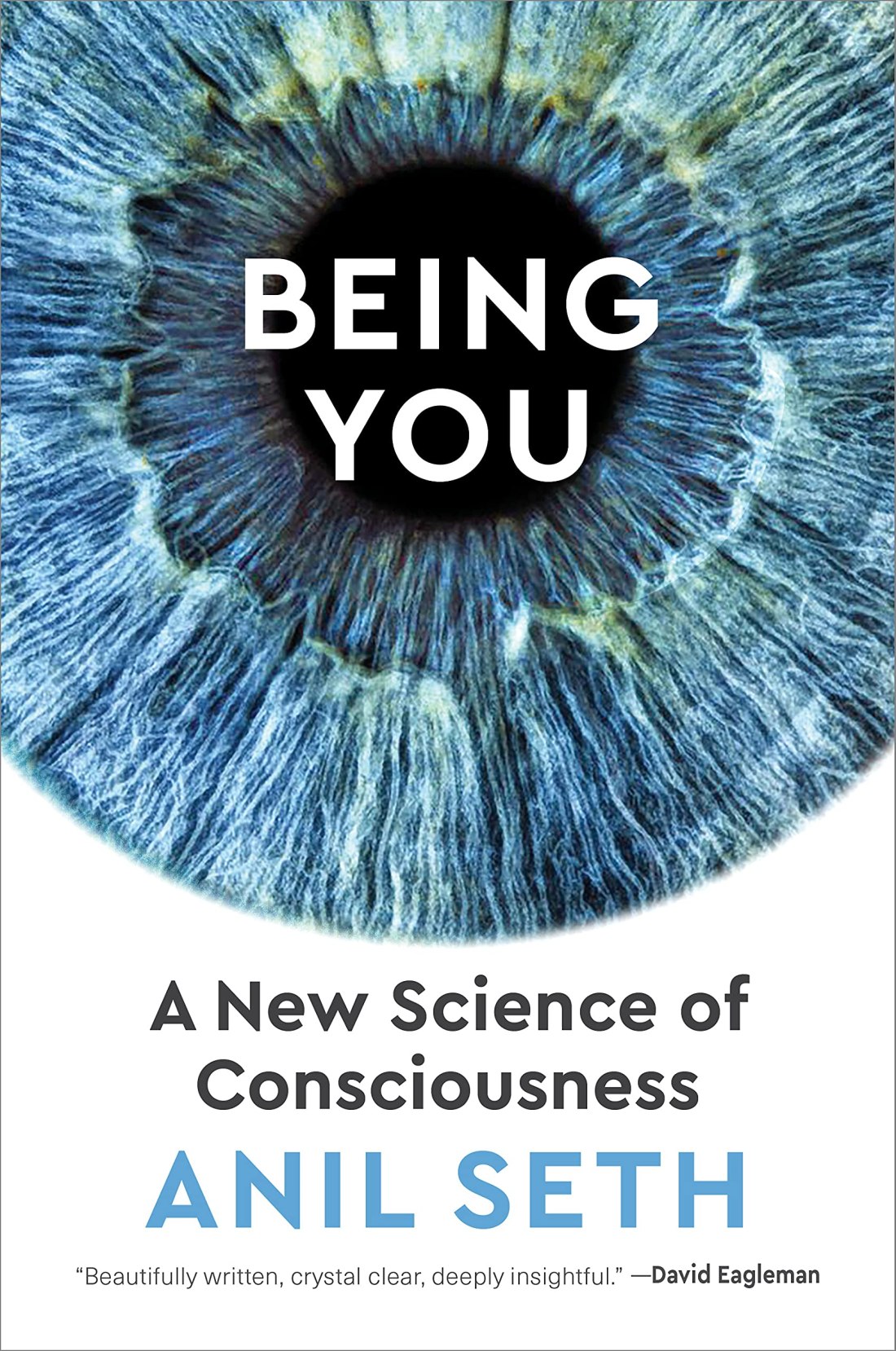
I recently completed Anil Seth's new book, Being You: A New Science of Consciousness. Seth starts out discussing David Chalmers' hard problem of consciousness, as well as views like physicalism, idealism, panpsychism, and functionalism. Seth is a physicalist, but is suspicious of functionalism. Seth makes a distinction between the hard problem, which he characterizes as … Continue reading Anil Seth’s theory of consciousness
Reconciling the disorder definition of entropy
In last week's post on entropy and information, I started off complaining about the most common definition of entropy as disorder or disorganization. One of the nice things about blogging is you often learn something in the subsequent discussion. My chief complaint about the disorder definition was that it's value-laden. I asked: disordered according to … Continue reading Reconciling the disorder definition of entropy
Carlo Rovelli’s Helgoland
I've posted a lot over the years on interpretations of quantum mechanics. My writing has tended to focus on comparing the big three: Copenhagen, pilot-wave, and many-worlds. But there are a lot of others. One that has been gaining converts among physicists and others is Carlo Rovelli's relational quantum mechanics (RQM) interpretation. This is an … Continue reading Carlo Rovelli’s Helgoland
The relativity of scientism
Philosopher Jonny Thompson has an article up on RealClearScience profiling the views of Mary Midgley: The Three Myths of Scientism. (Warning: the RealClearScience site is pretty ad intensive.) Midgley was a famous critic of views she regarded as scientism, and often sparred with atheist and antitheist Richard Dawkins. As someone who usually takes the scientific … Continue reading The relativity of scientism