Since I’ve been reviewing a lot of horror lately, I could see you being skeptical about my constant disclaimers that I’m not much of a horror fan. But the truth is some horror is so good in its non-horror elements that it’s compelling even for people not into horror. That’s the case with Sinners, which I’m late to the party on. The horror element is vampires, but similar to From Dusk till Dawn, the story has a rich non-supernatural setup, although it signals early what type of story we’re getting into.
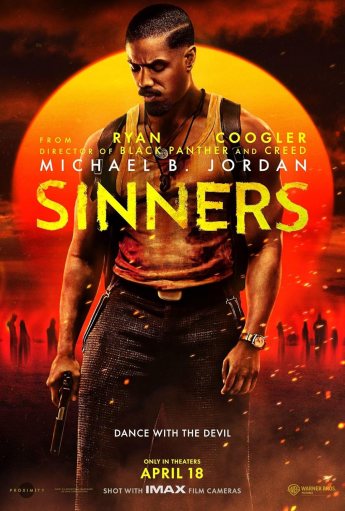
It takes place in 1932 in Jim Crow era Mississippi, and centers around the “Smoke Stack” twins. Smoke and Stack have returned home from working for the mob in Chicago, loaded with stolen cash. They buy an old place to start up a juke joint, a type of nightclub for the local black community. They recruit their cousin Sammie, who it turns out is a phenomenal guitar player and singer, as well as a number of other old friends and loves from the community.
The people in the community are dirt poor, living essentially a 19th century life in early 20th century America. (This part of the movie feels like the The Color Purple.) And yet they are inured to that condition and manage to find joy in their day to day existence. And while the twins are clearly criminals, they care about each other, their friends, and community, and the agency they’re able to show make them compelling characters.
And yet as we watch all this setup, there are enough signals coming through that we know they’re doomed. This could have easily been a non-supernatural movie with the big bad being the local Klan, which do make an appearance, but adding in the supernatural enables a scene which puts this time and place in historical context, as well as a later pitch from the lead vampire for joining them, pointing out how much the world is against this group, and that they were already doomed before the vampires arrived.
The movie pulls all of this off incredibly well. If you haven’t caught it yet, I recommend checking it out.
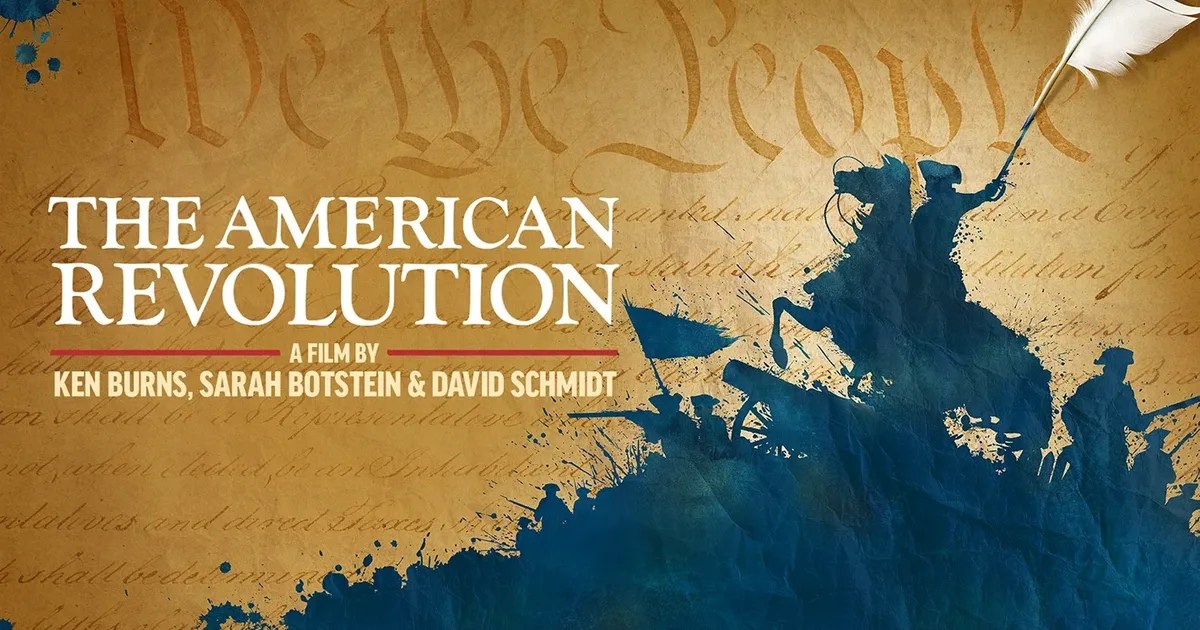
If you’re American, then like me you probably learned a fairly sanitized version of the American Revolutionary War in grade school. If you never went beyond that, except possibly for Mel Gibson’s Patriot movie, then you owe it to yourself to check out Ken Burns and team’s new documentary: The American Revolution. I streamed it off the PBS service.
This documentary does a good job of covering just how violent and messy the revolution actually was, such as the fact that it was actually a civil war, in the sense that a substantial part of the population remained Loyalist. The result is a lot of brother against brother type scenarios of the kind we usually hear about in the later Civil War. But the Revolutionary War was all that and more.
The documentary doesn’t shy away from discussing slavery, and how the British actually used it against the Patriots, many of whom were slave owners. In particular, we learn about George Washington’s bitter outrage when the British started promising freedom for any slave of a Patriot who fights with the British. And his actions to reclaim as many slaves as possible in the aftermath. And how many plantation owners couldn’t leave to fight, concerned that their slaves might revolt in their absence.
We also learn about the dilemma of Native Americans. A substantial part of the resentment that Americans had against the British were the restrictions preventing them from moving west into Indian lands. For many native tribes, that meant their interests were more fully aligned with the British, although a number of tribes still aligned with the Americans. In the end, they were all screwed no matter what they did.
Overall though, the documentary provides a fairly gentle introduction to these realities. My only real nit is that the discussion about the Declaration of Independence, while briefly mentioning that the French held it out as a requirement for an alliance, doesn’t really emphasize how much the declaration was actually part of an overall strategy toward getting that alliance. It was the recognized necessity of that alliance which converted a rebellion into a war for independence. Although it does point out that a number of early proponents of resistance got off the train when it changed into a war of secession.
I learned some things by watching the documentary, and I’m reasonably well read on the subject, which I think speaks to how well done the documentary is.
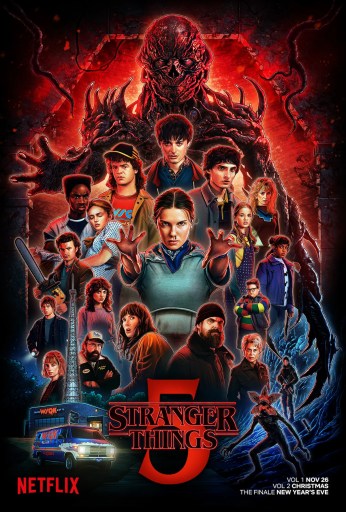
It’s odd that I’ve never posted about Stranger Things. The 1980s were my high school and college years, so the show has always had a strong nostalgic feel. Plus my long standing crush on Winona Ryder makes it something of a guilty pleasure. Nothing particularly profound or groundbreaking with it. It has a feel similar to the old Disney show adventures, somewhat similar to The Goonies, but darker and grittier, yet never to the point where it stops being fun.
My only gripe, which has become increasingly standard, is how long we had to wait between seasons, and the fact that the final one is being broken up into three releases. Still, worth checking out if haven’t yet.
That’s what I’ve been watching lately. Have you seen any of them? Or watched anything else interesting lately?
 SelfAwarePatterns
I loved Sinners and the first two seasons of Stranger Things! (The show seemed to lose its way for me in the third season, though I just heard from a friend yesterday that the Duffer Bros recovered the show’s original vibe in subsequent seasons, so maybe I’ll check it out again). As for Sinners, I did feel that as a racial allegory, the last third of the movie is a bit muddled. But maybe the vampirism in the movie was never intended to be an allegory for America’s racial caste system. It seems to me that vampirism, with its focus on exploitation and parasitism, would be a natural symbol for slavery and Jim Crow (much the way Octavia Butler uses the obanje myth in Wild Seed), but maybe I’m reading too much into the movie. I definitely thought it was a gripping romp of a vampire tale regardless of the movie’s deeper meanings.
LikeLiked by 1 person
I know what you mean about those middle seasons for Stranger Things. They did the thing where all the characters had to be separated from each other, and a lot of it, which could maybe be described as character building, didn’t seem to move the story forward much, except just throw up obstacles to keep them busy for a while.
Yeah, I’m not sure what, if anything, the vampires were supposed to represent. Although I saw a lot of discussion about it when I googled it just now. I noted in the post that adding in the supernatural allowed to movie to call attention to both the African heritage and what later African Americans would be able to accomplish. Maybe the vampires themselves were added just to raise the stakes of the story. I don’t know. The vampire’s speech does clue Smoke into the Klan’s plan, and leads to his confrontation with them.
LikeLiked by 1 person