Today's SMBC highlights something about humanity that is often overlooked, something that any extraterrestrial intelligence that builds a civilization would have to have. Click through for hover-text and red button caption. Source: Saturday Morning Breakfast Cereal - The Mammal Conspiracy We often talk about the intelligence of dolphins, whales, cephalopods, elephants, and other species. But … Continue reading The necessity of dexterity for civilization
The problems with philosophical zombies
In any online conversation about consciousness, sooner or later someone is going to bring up philosophical zombies as an argument for consciousness being non-physical, or at least some portion of it. The Stanford Encyclopedia of Philosophy introduces the p-zombie concept as follows: Zombies in philosophy are imaginary creatures designed to illuminate problems about consciousness and its relation … Continue reading The problems with philosophical zombies
The range of conscious systems and the hard problem
This is the fifth and final post in a series inspired by Todd Feinberg and Jon Mallatt's new book, 'The Ancient Origins of Consciousness: How the Brain Created Experience'. The previous posts were: What counts as consciousness? Predators and the rise of sensory consciousness Types of sensory consciousness The neural mechanics of sensory consciousness In the … Continue reading The range of conscious systems and the hard problem
The neural mechanics of sensory consciousness
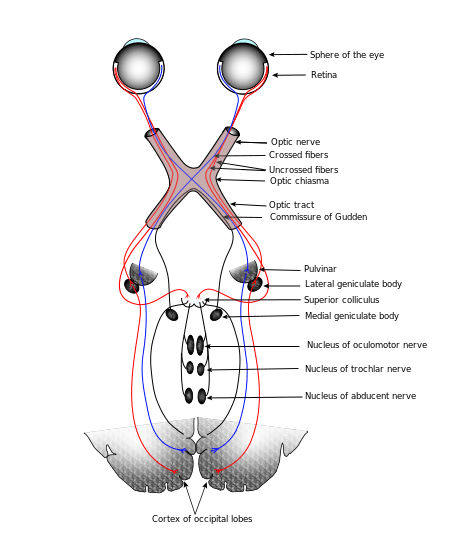
This is the fourth in a series of posts inspired by Todd Feinberg and Jon Mallatt's new book, 'The Ancient Origins of Consciousness: How the Brain Created Experience'. The first three were: What counts as consciousness? Predators and rise of sensory consciousness Types of sensory consciousness So, at this point in the series, we've talked about what … Continue reading The neural mechanics of sensory consciousness
Types of sensory consciousness

This is the third in a series of posts inspired by Todd Feinberg and Jon Mallatt's new book, 'The Ancient Origins of Consciousness: How the Brain Created Experience'. The first two were: What counts as consciousness? Predators and rise of sensory consciousness With this post, we're going to get into the different types of sensory … Continue reading Types of sensory consciousness
Predators and the rise of sensory consciousness
This is the second post in a series inspired by Todd Feinberg and Jon Mallatt's new book, 'The Ancient Origins of Consciousness: How the Brain Created Experience'. The first post in the series was: What counts as consciousness? Life appears to have gotten started fairly early in Earth's history. The oldest known fossils are now … Continue reading Predators and the rise of sensory consciousness
What counts as consciousness?
One of the things I get reminded of every few years, is that difficult determinations often look clearer when you consider them in a wider scope. Years ago, when I was trying to figure out whether conservative or progressive political policies were better, I discovered that widening my investigation to history helped immensely, and widening even further … Continue reading What counts as consciousness?
Why the US two party system is so entrenched
The other day, I came across this Big Think explanation by historian Sean Wilentz on why the US always seems to gravitate to a two party system. http://www.youtube.com/watch?v=Wnju7zOH_Zs Unfortunately, while I think Wilentz touches on the main points, his explanation doesn't seem as clear as it could be. To start off, he refers to the … Continue reading Why the US two party system is so entrenched
Libertarian free will is incoherent, and that’s good for responsibility
http://www.youtube.com/watch?v=vCGtkDzELAI For a while, I'd considered myself done debating free will, having expressed everything about it I had to say. However, with this Crash Course video, and in light of the discussion on physicality we had earlier this summer, I realized I do have some additional thoughts on it. Just a quick reminder: I'm a compatibilist. I'm convinced … Continue reading Libertarian free will is incoherent, and that’s good for responsibility
The relentless rain
It was a forecast that was all too common for south Louisiana. We would have several days of rain. It would start Thursday evening and continue through the weekend. There was a possibility of flooding. The people in flood zones, who lived near rivers and bayous, should prepare. I don't live in a flood zone … Continue reading The relentless rain

