James of Seattle clued me in to a thought experiment described by Dr. Anna Schapiro in a Twitter thread. https://twitter.com/AnnaSchapiro/status/1512866137809195011 It's very similar to one discussed in a new preprint paper: Do action potentials cause consciousness? Like all good thought experiments, it exercises and challenges our intuitions. In this case, it forces us to contemplate … Continue reading How much can we change the causality of the brain and keep consciousness?
Tag: Philosophy of Mind
The benefits of functionalism for animal welfare

Last week, Science News had an article about the difficulty of studying animal emotions, on understanding what an animal in a particular situation is really feeling. It's an interesting article, although not one with much new information for many of you. However, I want to focus on one point raised by one of the researchers … Continue reading The benefits of functionalism for animal welfare
Consciousness semanticism

One of the things about consciousness I've tried to call attention to on this blog is the ambiguity of its most common definitions, such as Thomas Nagel's definition of it being "like something" for a particular system. The problem is that when people try to get more specific, they come up with a wide variety … Continue reading Consciousness semanticism
The function of qualia

Often when I mention that I'm a functionalist in terms of the mind, someone references the Stanford Encyclopedia entry on functionalism. Strange to say, but I've never gone through that entire entry. This week I poked around a little in it, mostly in the objections section. Most of the objections either strike me as more … Continue reading The function of qualia
Can consciousness be simulated?

David Chalmers in his book: Reality+: Virtual Worlds and the Problems of Philosophy, eventually gets around to addressing the 800-pound gorilla in the room for any discussion of the simulation hypothesis. Can consciousness itself be simulated, and if so, would the resulting entity be conscious? This issue, I think, is what makes many react with far sharper … Continue reading Can consciousness be simulated?
Anil Seth’s theory of consciousness
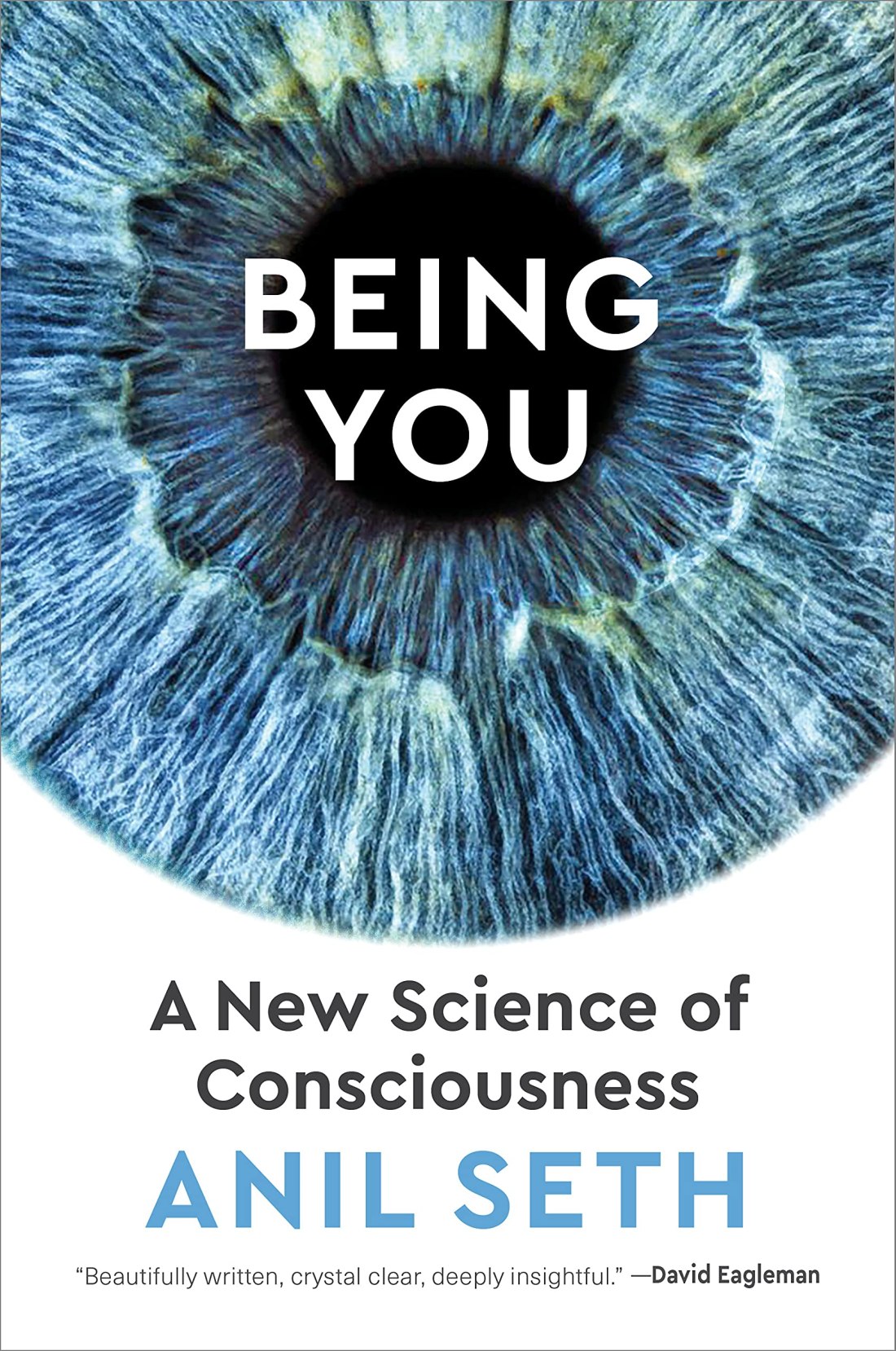
I recently completed Anil Seth's new book, Being You: A New Science of Consciousness. Seth starts out discussing David Chalmers' hard problem of consciousness, as well as views like physicalism, idealism, panpsychism, and functionalism. Seth is a physicalist, but is suspicious of functionalism. Seth makes a distinction between the hard problem, which he characterizes as … Continue reading Anil Seth’s theory of consciousness
The necessity of weak emergence
I've only recently discovered Ricardo Lopes and his interviews of all kinds of interesting people. Here is one from a couple of years ago of Keith Frankish, the most prominent contemporary champion of illusionism, the idea that phenomenal consciousness is an illusion, that it doesn't exist, and much of this is him giving the standard … Continue reading The necessity of weak emergence
Sources of information on neuroscience
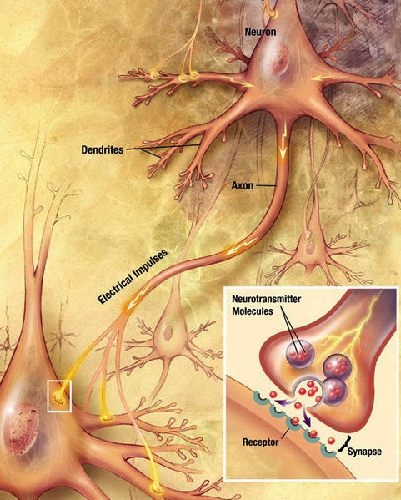
It's been a while since I listed good sources to learn about neuroscience and the brain. I think anyone interested in consciousness and the mind should get a grounding in the basics. It's a bit of work, but the introductory accounts aren't anything unmanageable for someone who can parse philosophically dense material. And it enables … Continue reading Sources of information on neuroscience
The scope of animal wellbeing

Daniel Issing has an interesting article at Quillette on the hard problems of vegetarianism. Vegetarianism, and its more pure form, veganism, are often seen as the obvious moral thing we should all be doing, but that most of us aren't. Issing, himself a vegetarian, explores the messy details that make this a more complicated proposition … Continue reading The scope of animal wellbeing
Perceptions are dispositions all the way down

(Warning: neuroscience weeds) Some years ago, I reviewed Antonio Damasio's theory of consciousness, based on his book, Self Comes to Mind. (He has a newer book, The Strange Order of Things, which I haven't read yet, so this may not represent his most current views.) In that book, Damasio makes a distinction between two types … Continue reading Perceptions are dispositions all the way down

